
Sales kickoff speakers: how to choose, brief and host them
Choose each sales kickoff speaker for a slot and a job, send a one-page brief, and plan the stage, AV, rehearsal and travel that each one needs on site.
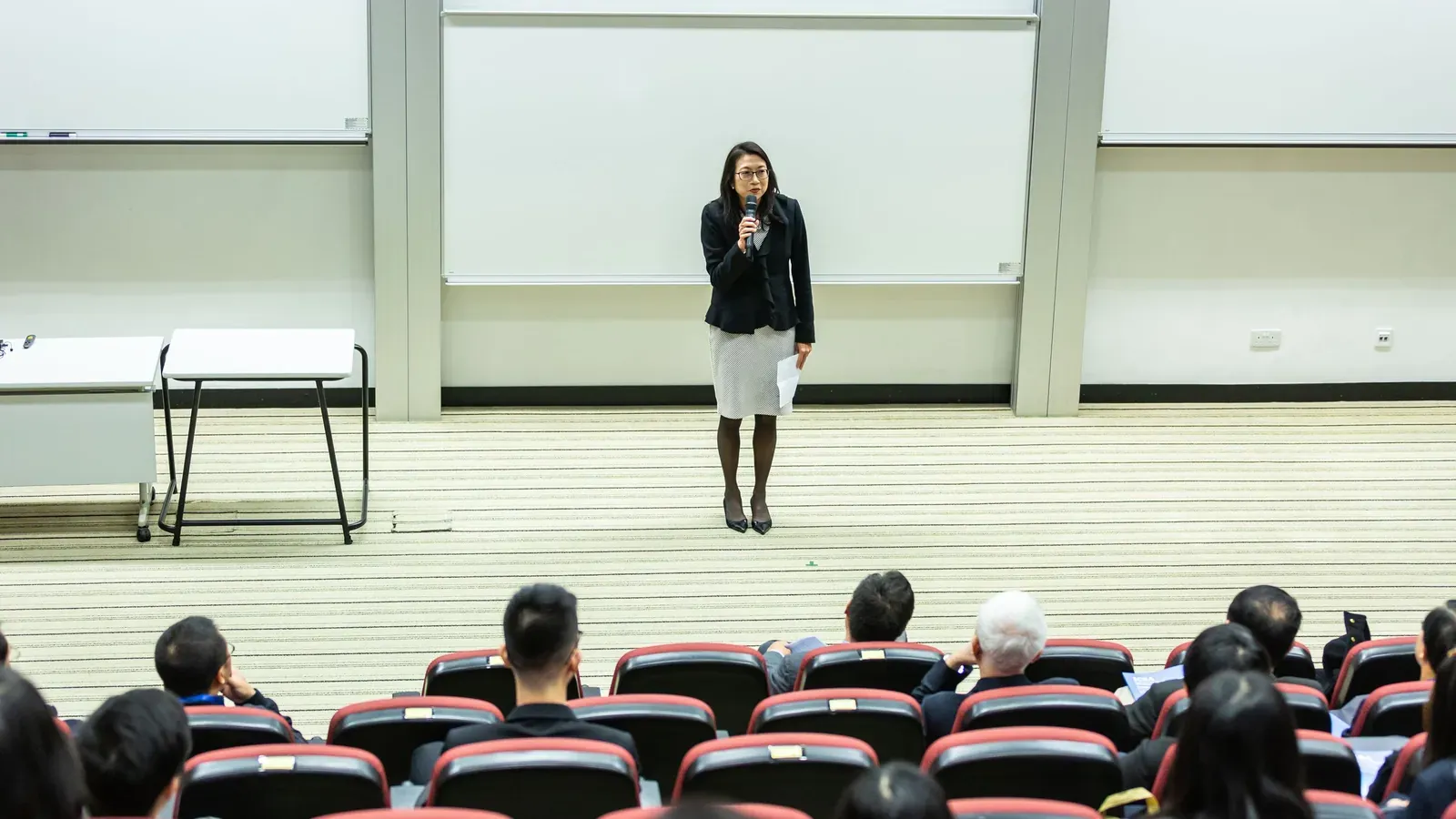
Sales kickoff speakers are chosen for a slot and a job: the CRO sets the plan, a customer proves it, and an outside keynote, if there is one, makes one idea stick. Decide the job first, then the person, then what they need on site. Every speaker needs a brief, a rehearsal slot and a named host.
For the wider sales kickoff plan, get a custom quote and a local planner builds the event around your speakers.
Who speaks at a sales kickoff
Kickoffs draw their speakers from five groups, and each one has a different job.
- Internal leaders. The CEO, the CRO, product and marketing leads and sales managers set the plan, explain what changes this year and say why.
- Top reps. They show the new behavior in practice, in their own words, which is often more convincing than a slide.
- Customers and partners. They prove the plan from the buyer's side and keep the room honest about what customers say.
- An outside keynote speaker. This one is optional. The job is a single idea that sticks, tied to the plan.
- An emcee or host. The host links the sessions, keeps time and sets the tone between them.
Where each slot sits in the day is covered in the sales kickoff agenda guide, and the sales kickoff planning guide explains how speaker sessions fit the behavior change you want from the event.
Do you need an outside keynote speaker?
Not always. A few questions settle it.
- Does a topic need an outside voice, such as a skill, a view of the market or a story your own leaders cannot tell?
- Does that topic connect to the plan for the year, or is it a pleasant talk that sits beside the plan?
- Could a customer or a top rep do the job with more credibility?
- Is there a budget line for it? The sales kickoff cost guide treats outside speakers as a separate line from the event quote, so settle that with finance before you shortlist anyone.
The company kickoff meeting guide makes the same point: guest speakers are optional, a topic should connect to the plan, and the slot should stay short. If the answers lean toward yes, the next step is choosing well.
How to choose keynote speakers
Phrase every check as a question, and ask it of each candidate before you compare anything else.
- Does the topic tie to the behavior you want to change this year?
- Has the speaker worked with a room of your size and your kind of format, whether a ballroom keynote, a fireside chat or a workshop?
- Is the speaker willing to tailor the talk to your plan, your product and your team's language?
- What are the terms on recording and on sharing slides afterward?
- What does the speaker need for travel, and does the arrival fit the rehearsal?
- Is the speaker available on your dates, with room to book early?
- Can you call a reference who used the speaker with a sales team?
A short call with the speaker, with the CRO or the sales leader on it, usually shows more than a reel does.
The speaker brief
Send each speaker a one-page brief with the invitation, not after the contract. It gives the speaker a clear job, and it gives your team one place to see who needs what. Use one block per speaker with these fields.
| Field | What to write |
|---|---|
| Slot and length | The day, the start time and the minutes on stage, including time for questions. |
| Job of the session | The behavior change the session serves, in one sentence. |
| Audience | Roles, headcount and what people already know. |
| Three messages | The three points people should repeat when they leave the room. |
| What to avoid | Topics, stories, jokes or customer names that do not fit the room. |
| Format | Keynote, fireside chat, panel or workshop. |
| Deck template and deadline | The template, the content deadline, the later file lock and the one person who receives files. |
| AV needs | Mic type, confidence monitor, clicker, slide format, and any video or sound. |
| Rehearsal time | The slot on stage with the mic, the clicker and the monitor. |
| Arrival and departure | Travel dates and the arrival window relative to the rehearsal. |
| Room night and transfer | The room, the ground transfer and who meets the speaker. |
| On-site host | The named person who greets the speaker, walks them to the green room and cues them to the stage. |
| Recording permission | Whether the session may be recorded, streamed or shared as slides afterward. |
The same fields work for a customer, a top rep or an emcee. The only difference is how much of the stage and travel block applies.
Customers, partners and top reps on stage
A customer on stage helps most when the session is prepared like any other. Ask early whether the customer's communications or legal team needs to approve the name, the logo or the story, because that approval can take longer than the talk itself. Agree the three messages in advance, and keep the slot short.
A panel needs a moderator who is not a panelist. The moderator sends the questions ahead, keeps each answer short and ends on time. Top reps need the same template, the same deadline and the same rehearsal slot as executives, since a first-time speaker benefits most from a run on the actual stage. Thank each of them in the room.
A host for the day
Every speaker needs a person on site who knows the plan for the day. That person meets them on arrival, shows them the green room, keeps them on time and walks them to the stage. Name this host in the brief, and give the speaker a phone number.
Emcee: when a host helps
A host earns the role on a multi-day program with many transitions, such as an awards dinner, a customer panel and several handoffs between leaders. Without one, the gaps between sessions drift. The emcee can be an internal sales leader, an enablement lead or a manager the room likes, or an outside professional. An internal host knows the team and the plan, while an outside host often brings stage experience and a neutral voice.
Give the emcee cue cards, a copy of the run of show and a signal for wrap-up. The production checklist describes visible countdowns on the confidence monitor, which suit a host well.
Logistics each speaker needs
The production work belongs on the sales kickoff production checklist: the run of show, the stage plot, mics, the confidence monitor, one deck owner and a hot-swap protocol for late changes.
| Speaker type | Stage and AV | Rehearsal | Travel and room | Green room and host |
|---|---|---|---|---|
| Internal leader | Lav or handheld mic, clicker and a confidence monitor with notes | A short slot on stage, often during the tech check | Confirm a room if the leader travels in | A quiet space near the stage, with the session owner as host |
| Customer or partner | The same set, plus a check that slides and logos are approved | A full slot, since the stage is new to them | An arrival window mapped to the rehearsal, a room night and a transfer | A green room and a named host who greets them on arrival |
| Top rep | Handheld mic or lav and a clicker | A slot like any other speaker | Usually already at the event | A seat near the stage and a host to cue them |
| Outside keynote | Lav mic, confidence monitor, show machine and any requirements in writing | Its own slot, with the later file lock agreed in advance | An earlier arrival with a fallback, a room night and transfers both ways | A green room, dietary needs noted and a host for the whole visit |
| Emcee | Handheld or lav mic, cue cards and the run of show at hand | A walkthrough of every transition with the stage manager | Same as other speakers | A seat near the stage, with the stage manager as the contact |
Travel needs a plan of its own. The production checklist covers speakers arriving by air: map arrival windows against rehearsal slots and give late arrivals a specific fallback. For fly-in groups, the group transport guide covers ground transfers.
To track all of it in one place, the sales kickoff checklist workbook has a Speaker & deck tracker tab with columns for the speaker, the session, deck status, AV needs and rehearsal. The sales kickoff checklist puts the same steps in order.
Questions to ask before you sign a speaker
Put these to the speaker or the speaker's representative, and ask your own team or counsel to review any agreement.
- What does the fee cover, and what sits outside it?
- Who pays for travel and the room, and on what terms?
- What AV and staging does the speaker require, and is each item written down?
- May the session be recorded, and may slides be shared afterward?
- What happens if either side has to cancel?
- How much time is there for questions and for meeting people after the session?
- Does the speaker expect a rider with meals, a green room or a driver, and who covers those?
Remote and hybrid speakers
When a speaker joins on video, test the link in the room, on the venue network, before the session. A weak connection can stall a session, and the venue WiFi guide shows how to check it. Give the remote speaker the same brief, the same rehearsal slot and a named contact. The in-person versus virtual guide recommends a producer who looks after only the remote side, with sound, questions and timing.
Where a local planner helps
Your team leads the content. A local planner coordinates what surrounds it: travel, transfers, rooms, the green room, and the stage and AV around your speakers. The sales kickoff hub says it this way: "Your team leads the strategy, speakers and session content. Your local planner coordinates the venue, suppliers and logistics around them." Vantly's sample events show the kind of plan a local planner tailors, as examples and not fixed products.
Tell us the headcount, dates and departure cities, and Vantly confirms whether a suitable local planner is available. Vantly matches that brief with a local planner, who produces a turnkey event proposal with prices. We send it within 48 hours, at no cost. Any price still waiting on a vendor's confirmation is marked as an estimate. From there you work with one local planner and get one all-inclusive quote, rather than a separate search for every venue and vendor.
Frequently asked questions
Who should speak at a sales kickoff?
Leaders who set the plan, product leads, top reps and customers make up most programs. Add an outside keynote only when a topic needs an outside voice and connects to the plan. Choose each speaker for a slot and a job, and write that job into a short brief before you send the invitation.
Do we need a keynote speaker for our sales kickoff?
Not always. Decide by the job of the slot. If a leader, a customer or a top rep can do the job with more credibility, an outside keynote adds cost without adding much. If the plan needs a skill or a view that your team cannot supply, an outside voice may be worth a short slot.
How do you choose a sales kickoff keynote speaker?
Start with fit to the behavior change you want. Then ask about format experience, willingness to tailor the talk, recording terms, travel needs and availability on your dates. Call a reference who used the speaker with a sales team, and have the CRO or sales leader on the first call.
What should a speaker brief include?
A good brief covers the slot and length, the job of the session, the audience, three messages, what to avoid, the format, the deck template and deadline, AV needs, rehearsal time, travel, room and transfer, the on-site host and recording permission. It fits on one page and goes out with the invitation.
What does a speaker need on site?
Each speaker needs a mic, a confidence monitor, a clicker, a rehearsal slot on the stage, a quiet green room, a named host and a transfer if they travel in. An outside keynote may also need a room night and an earlier arrival. Confirm each item in writing with the AV team and the venue.
Should a sales kickoff have an emcee?
A host helps on multi-day programs with many transitions, such as an awards dinner or a customer panel. The emcee can be an internal sales leader or an outside professional. Give the emcee the run of show, cue cards and a signal for wrap-up, so the day keeps its time between sessions.
Can a local planner help with speakers?
Yes, with travel, rooms, transfers, the green room and coordination with the stage and AV team. Your team leads the strategy, speakers and session content. Vantly confirms whether a suitable local planner is available once you share the headcount, dates and departure cities, and the planner works around your speakers.
Related guides
- Sales kickoff agenda
- Sales kickoff production checklist
- Sales kickoff cost
- Sales kickoff planning for sales leaders
Sources
- Vantly, Sales kickoff production checklist, checked October 2026
- Vantly, Company kickoff meeting, checked October 2026
- Vantly, Sales kickoff cost, checked October 2026
- Vantly, In-person versus virtual sales kickoff, checked October 2026
- Vantly, Sales kickoffs hub, checked October 2026