

Make the decision items visible
Give each agenda item a purpose, an owner, and a time allowance.
Try this: Put the questions that require decisions near the start. Agree the agenda with the chair before booking the day's schedule.
A board meeting brings board members and invited leaders together to review the organization’s position, discuss matters that need their attention, and make decisions within the board’s remit. The chair and governance team set the agenda and formal process; the organizer prepares the room, papers, remote connections, and catering around it. A typical agenda combines reports, discussion, decision items, and contributions from invited presenters. Reserve a half or full day according to the agreed agenda, with breaks and time to confirm actions.

Work with the chair and company secretary or responsible organizer to separate updates, discussion, and decisions. Event logistics should support that agenda.
Give each agenda item a purpose, an owner, and a time allowance.
Try this: Put the questions that require decisions near the start. Agree the agenda with the chair before booking the day's schedule.

Collect papers with consistent titles, dates, and clear questions for the board.
Try this: Agree the distribution deadline and approved sharing method. Ask presenters to summarize what has changed rather than read their papers aloud.

Know who attends each session and when guests or presenters should leave.
Try this: Arrange a waiting space and brief the venue about access. Agree note-taking and document handling with the responsible organizer.
Start with your own office boardroom or a private meeting room near directors’ arrival points. Check confidentiality, hybrid audio, and room access. A destination property adds travel and logistics that an ordinary board meeting rarely needs.
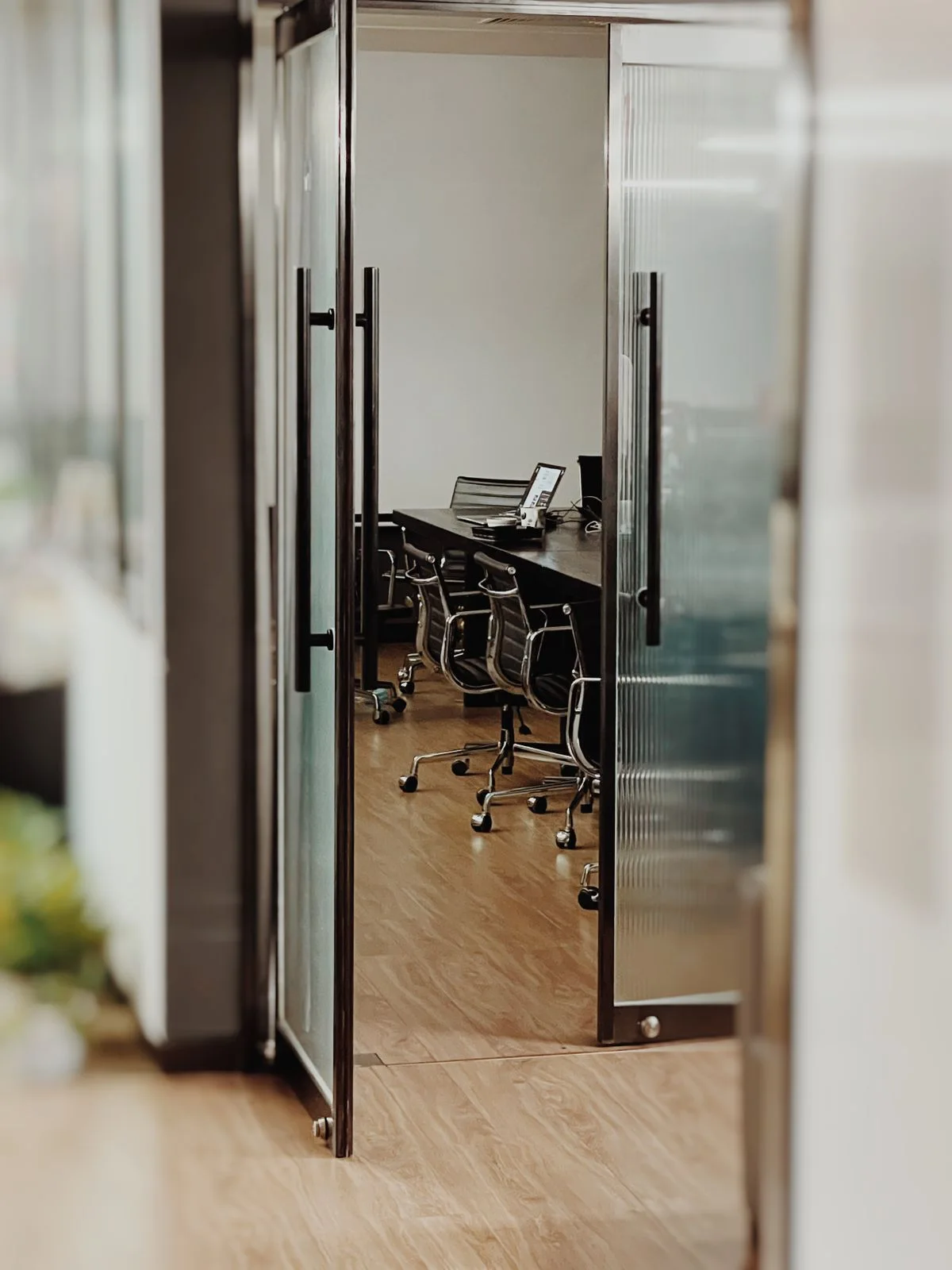
Often the simplest option when the office has a private, accessible room and dependable equipment.
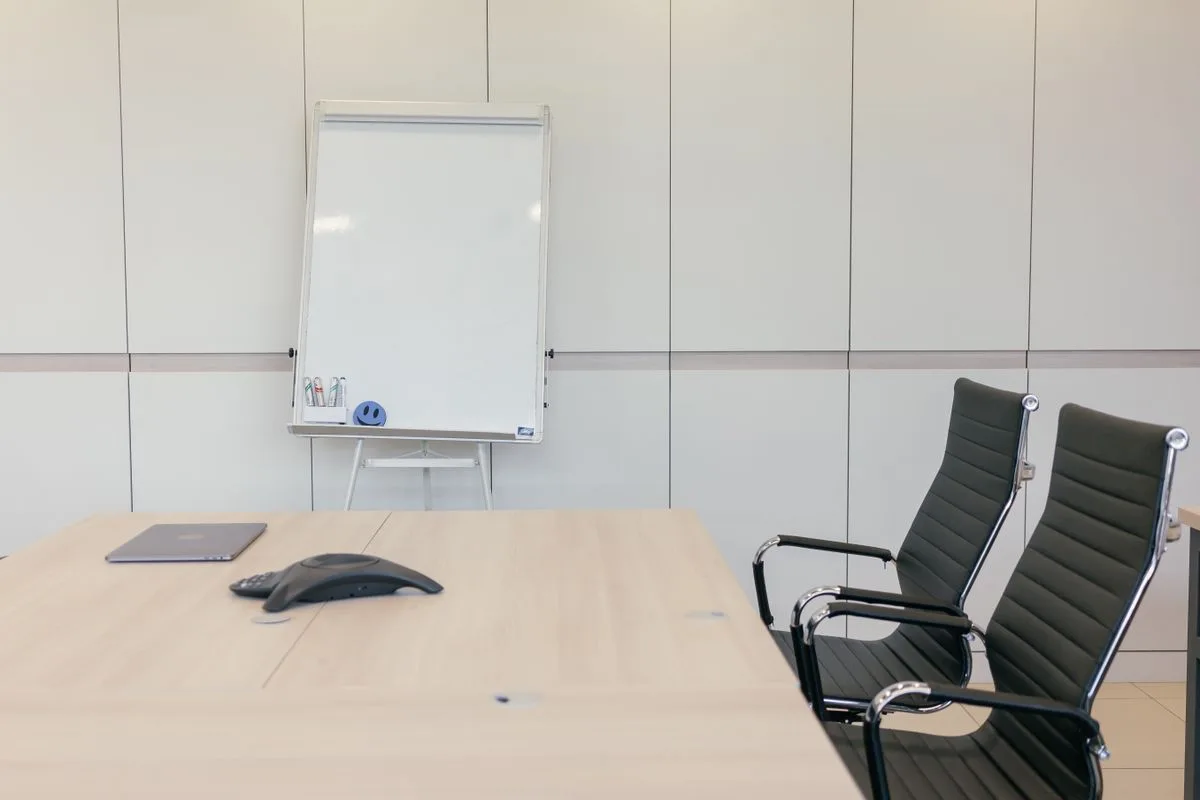
Useful when you need a neutral location or your office lacks a suitable boardroom.
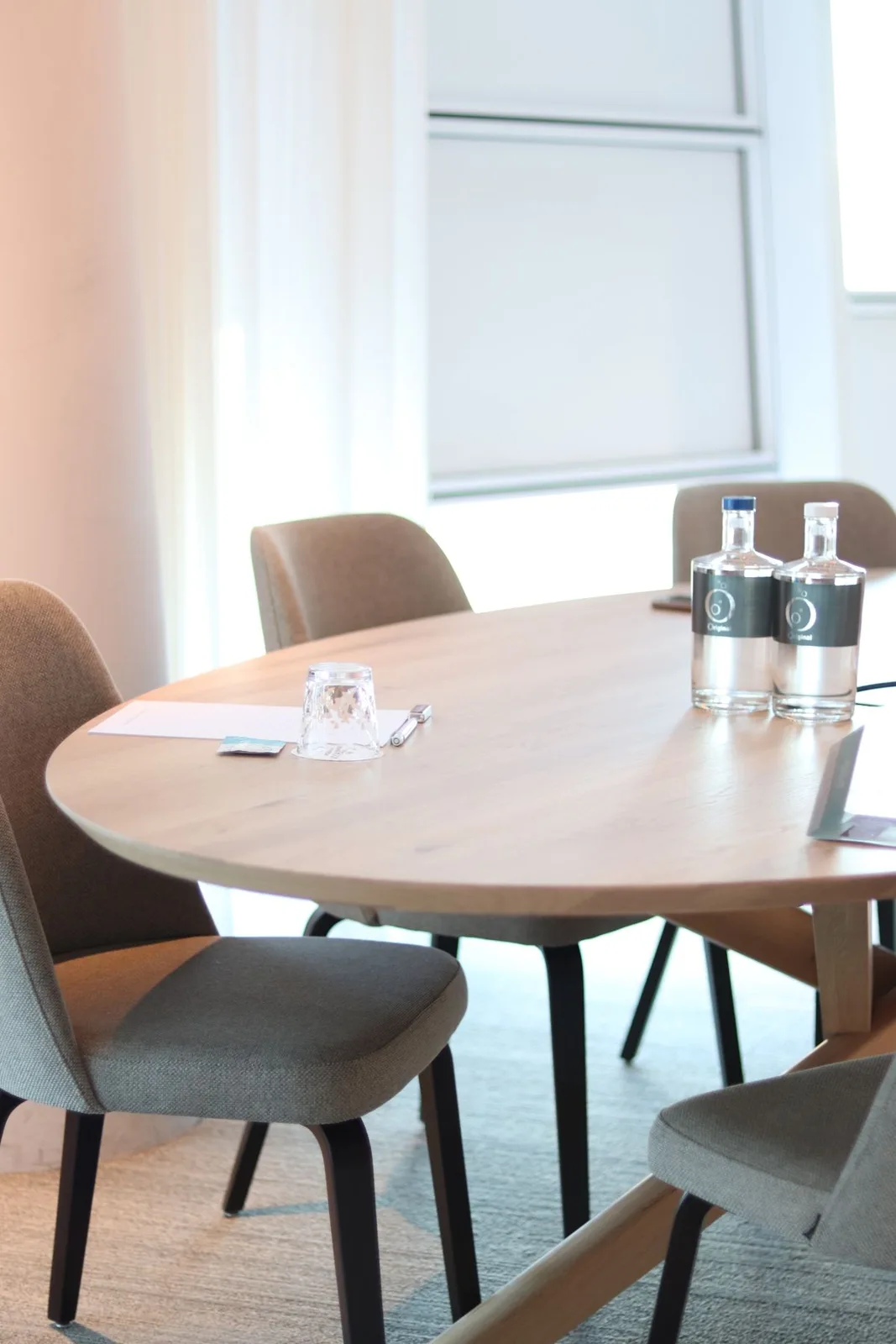
Useful when directors arrive by train or plane and need a convenient meeting point or a separate overnight booking.
A three-hour example to adapt with the chair. Formal items, order, quorum checks, and records follow your organization’s requirements. Give presenters their own arrival and departure times.
Check the room, microphones, camera, papers, and remote access before directors arrive.
The chair follows the agreed opening process and reviews outstanding actions.
Use the circulated papers. Keep the question and required decision visible.
Confirm the next presenter is ready; keep confidential papers in the secured room.
Focus on questions and exceptions rather than reading every paper aloud.
Follow the agreed attendance list and note-taking arrangements.
Read back decisions, owners, and deadlines; confirm the next meeting date.
Arrange lunch separately so directors can plan onward commitments.
Compare the cost of the venue, catering, equipment, and support for one day. Use supplier quotes for your dates before approving a total.
Example budget / USD
$94per person
10 guests · one day
Change the guest count. Replace the sample allowances with supplier quotes. Enter zero for anything included in another line.
These are editable examples, not market prices. Add quoted taxes and service charges below; budget separately for flights if needed.
| Budget line | Allowance |
|---|---|
| Meals & refreshments 10 guests × 1 days × $35 | $350 |
| Boardroom & hybrid equipment 1 days × $500 | $500 |
| Ground transport | $0 |
| Local planning & production | $0 |
| Quoted taxes, service charges & other fees | $0 |
| Contingency 10% of the subtotal | $85 |
| Working total | $935 |
Example total: $935 for 10 guests.
Spend the preparation time on reliable participation and confidentiality. Social activities are not a requirement for a board meeting.
Use the actual room, seating layout, meeting link, microphones, and camera.
Number agenda items and supporting papers consistently, and use the approved board-pack sharing method.
Guest presenters should know their slot, waiting place, contact, and when they leave.
Assign an owner to each task. Work through these checks with everyone helping organize the event.
See how venues, meals, and activities come together. Use these events to help shape your own plans.
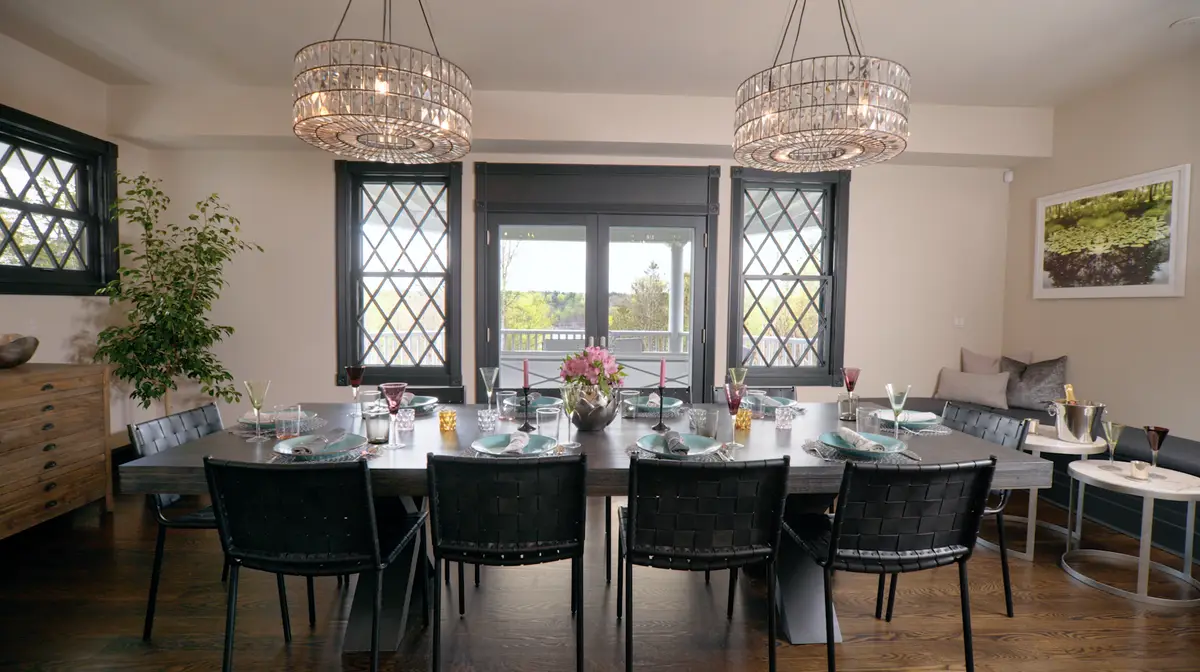
8–12 guests · 1 night
From $700 per person
View event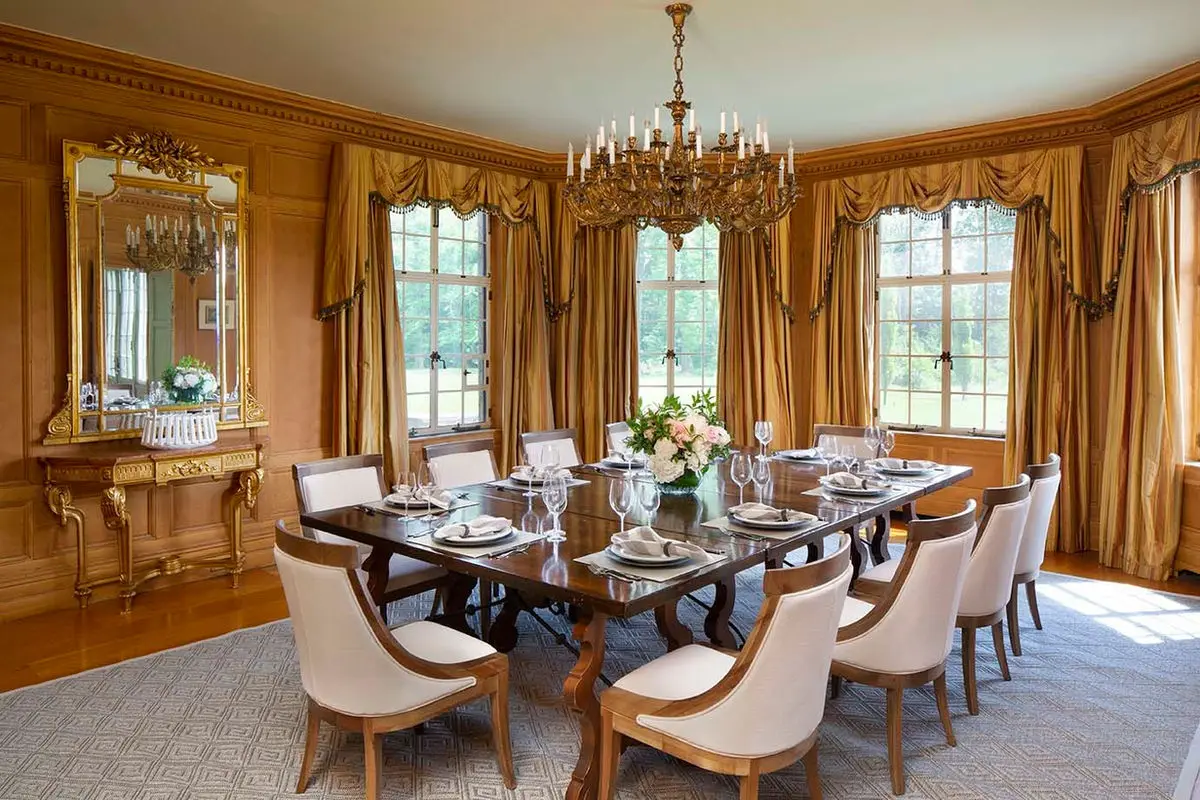
8–12 guests · 1 night
From $2,000 per person
View event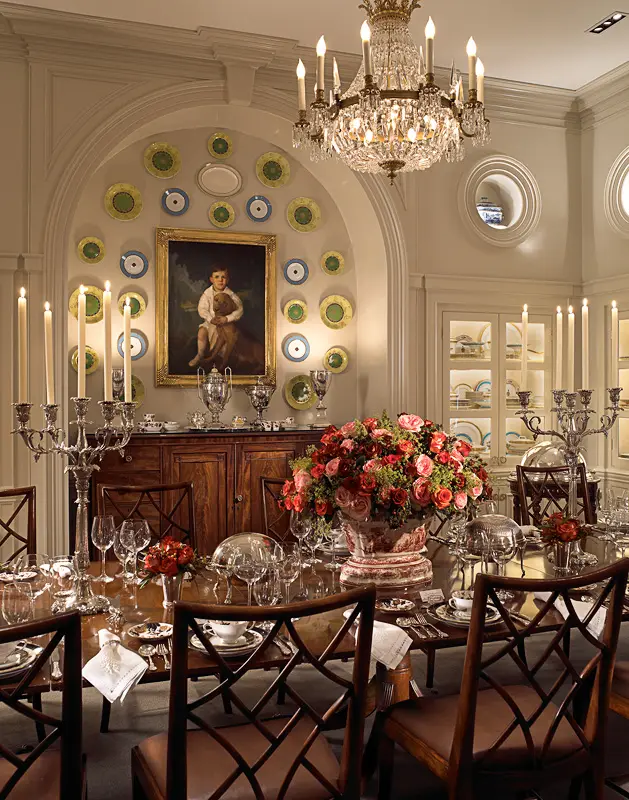
8–12 guests · 1 night
From $1,800 per person
View eventOur collection provides inspiration. Vantly connects you with a local event planner and producer who adapts the venue, schedule, suppliers, and logistics to your brief.
Share your goals, headcount, dates, and budget. Start with an event from our collection or with your own brief.
Discuss the venue, schedule, and supplier options with someone who knows the area.
Confirm the agreed scope, inclusions, quote, and terms before committing.
Use a table arrangement that lets all directors see one another and any screens. Check microphones and camera coverage with the actual layout, especially when someone joins remotely.
Agree the deadline with the chair and responsible organizer, allowing directors time to review it. The timing depends on the board's established process and the material being discussed.
Yes. It can help when directors are traveling or the agenda spans more than a day. Keep accommodation and optional evening activities separate from the formal meeting schedule.
This guide covers event preparation and logistics. The chair and responsible governance team set the formal requirements for notice, attendance, decisions, and records.
Yes. The collection is a starting point. Share your purpose, dates, headcount, preferences, and budget. Your local producer prepares a tailored proposal with the final scope and quote.