

A shared view of the company
Use a short company update to explain priorities and the reasons behind them.
Try this: Collect questions before the event. Reserve a separate Q&A slot rather than letting presentations absorb it.
A company offsite brings colleagues away from their usual workplace to hear company updates, discuss priorities, and spend time with people outside their everyday teams. It gives distributed teams a chance to meet in person and ask questions about where the company is heading. A typical agenda combines leadership updates, small-group discussions, shared meals, and optional activities. Allow two days when colleagues are traveling from different offices; a local company can plan a focused gathering in one day.
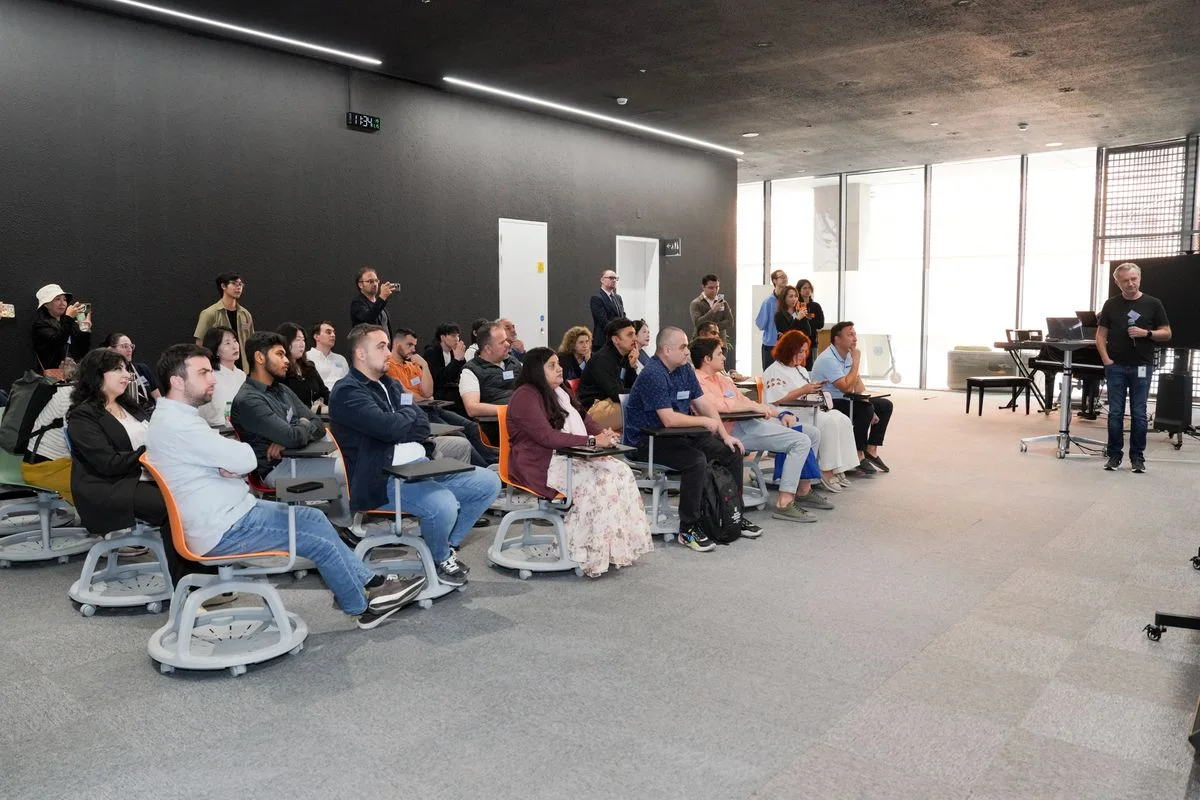
An all-company gathering needs a different agenda from a small working retreat. Decide what everyone needs to hear, what they can contribute, and where informal conversations fit.
Use a short company update to explain priorities and the reasons behind them.
Try this: Collect questions before the event. Reserve a separate Q&A slot rather than letting presentations absorb it.

Give people a reason to meet colleagues outside their usual projects.
Try this: Mix tables across departments and use small groups of four to six. Avoid asking everyone to introduce themselves to the entire room.

Choose one company-wide question that benefits from different perspectives.
Try this: Give groups the same prompt and ask for one proposal each. Explain how the input will be used after the event.
Request floor plans for your full headcount: plenary seating, breakout rooms, dining, and accessible routes. Choose somewhere people can reach without losing most of the first day to travel. Bedrooms matter only if the agenda needs an overnight stay.
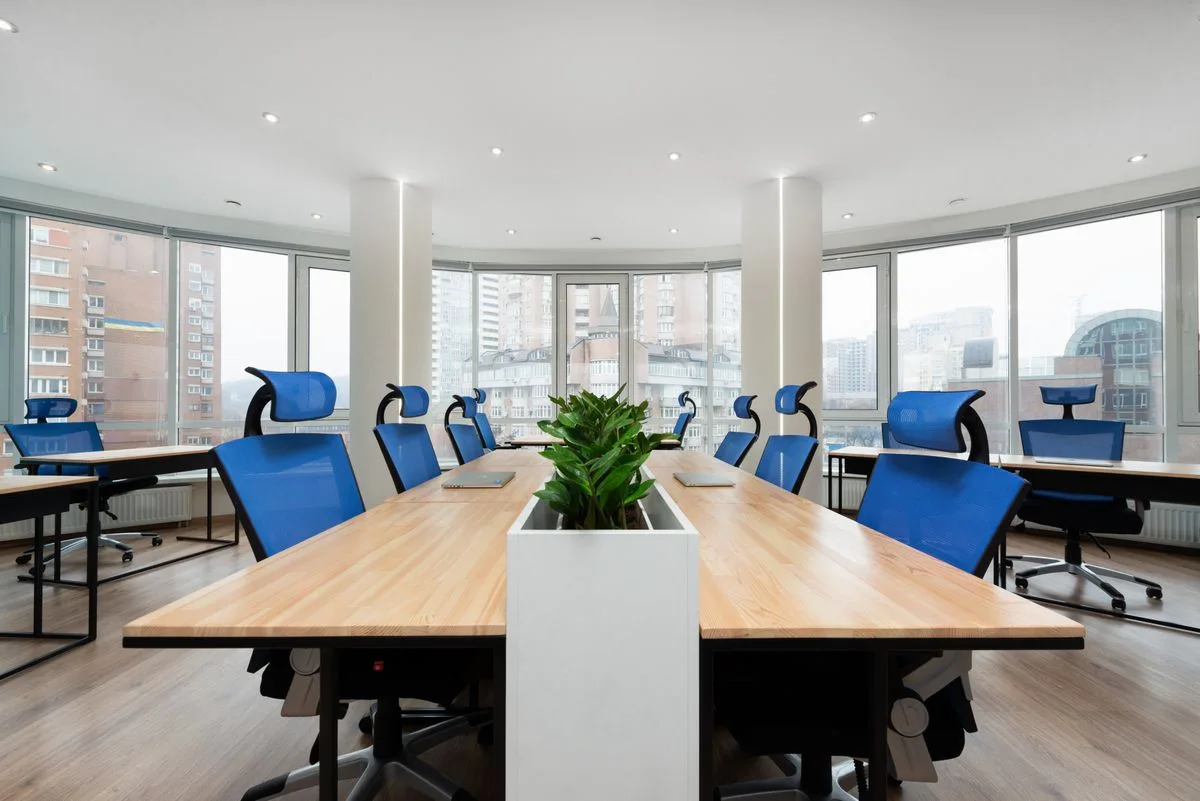
Useful for colleagues traveling from different offices, with sessions and accommodation on one site.
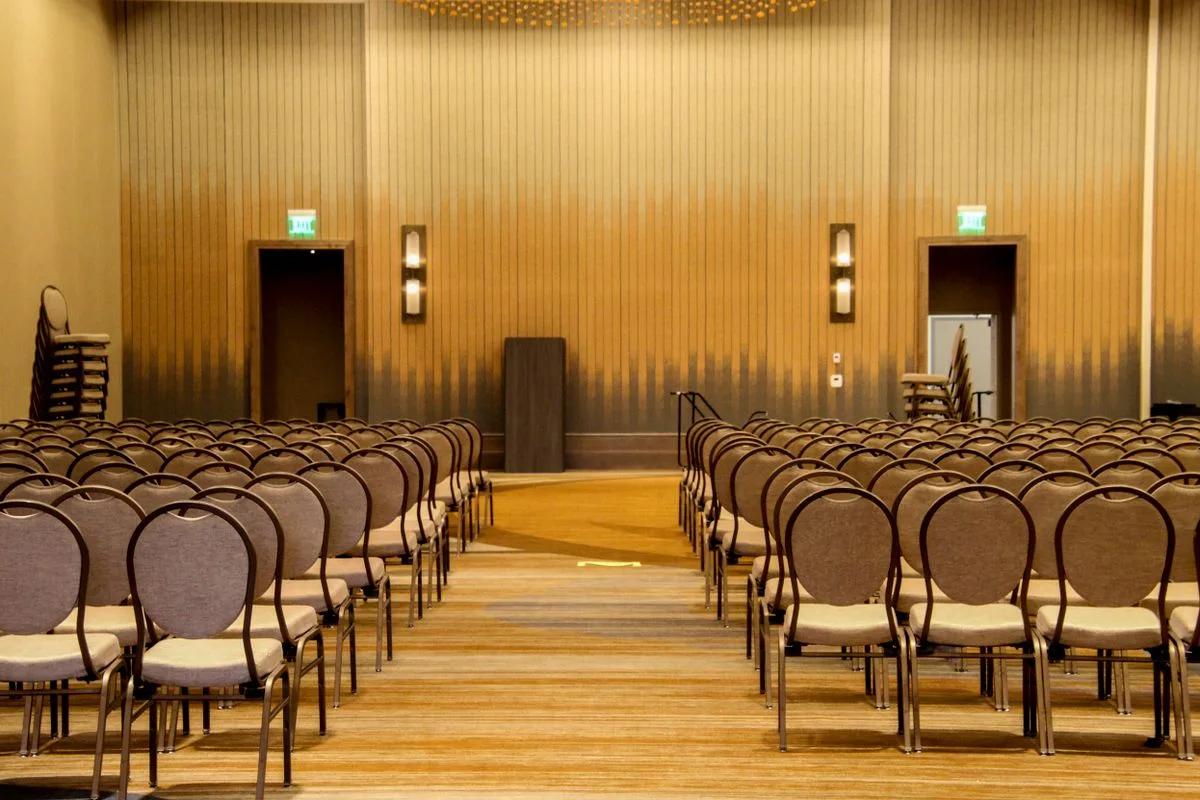
A practical option for a local company day, especially when you need a large room plus breakout spaces.
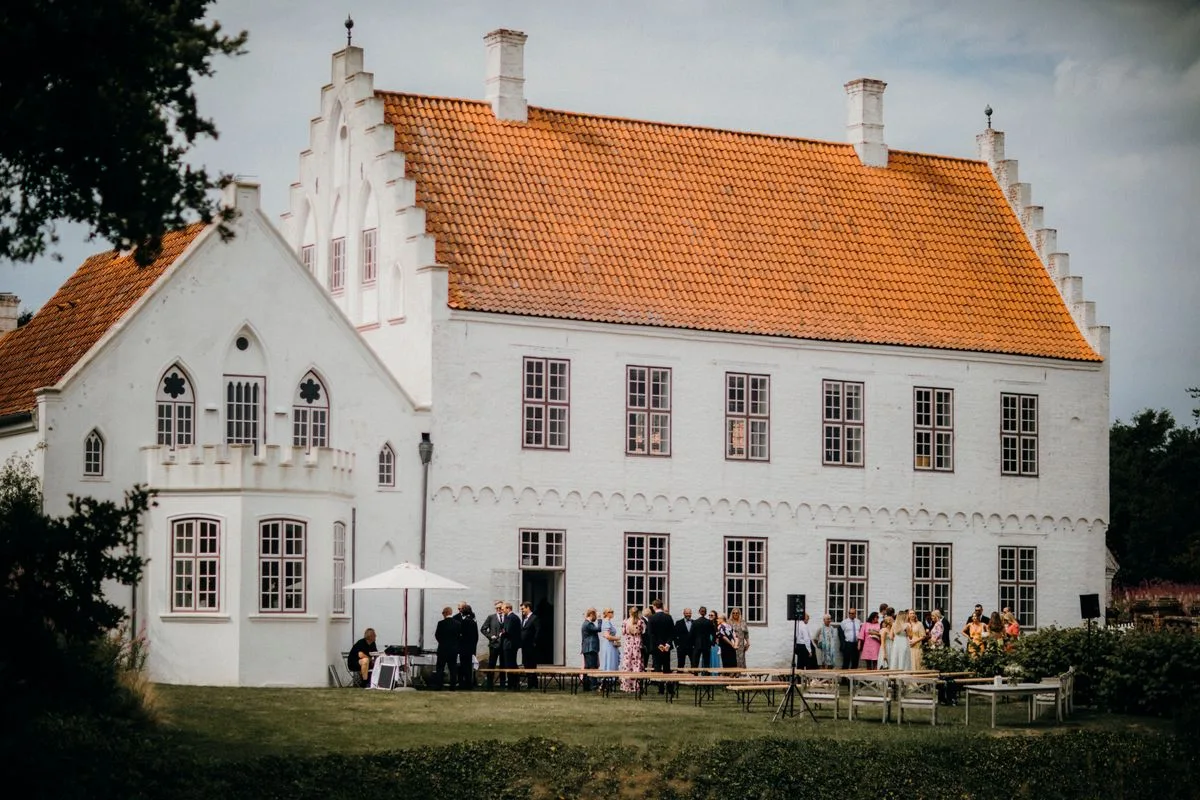
Consider this for a two-day gathering when rooms, dining, and meeting spaces can accommodate everyone together.
This example includes one overnight stay. Keep company presentations short and protect time for people to meet across teams.
Allow a flexible arrival window and provide luggage storage before check-in.
Explain the chosen priorities and the decisions behind them. Brief speakers to avoid repeating the same update.
Combine pre-submitted questions with questions from the room.
Leave time to unpack, call home, or spend time alone.
Offer an activity and an equivalent quiet alternative.
Mix departments at tables and keep work presentations out of the meal.
Keep breakfast open for an hour rather than setting a single arrival time.
Give groups one shared question and 45 minutes to develop a proposal.
Arrange luggage storage so rooms can be released without disrupting the session.
Limit each report to one proposal. Calculate the time needed for all groups; collect written reports if the group count makes a full round impractical.
Share when the company will hear what happens next.
Compare accommodation, meals, meeting space, and support for your chosen length of stay. Use supplier quotes for your dates before approving a total.
Example budget / USD
$655per person
50 guests · 1 night · 50 rooms
Change the guest count, nights, and room arrangement. Replace the sample allowances with supplier quotes. Enter zero for anything included in another line.
These are editable examples, not market prices. Add quoted taxes and service charges below; budget separately for flights if needed.
| Budget line | Allowance |
|---|---|
| Rooms 50 rooms × 1 night × $250 | $12,500 |
| Meals & refreshments 50 guests × 2 days × $75 | $7,500 |
| Meeting space & equipment 2 days × $500 | $1,000 |
| One group activity | $3,750 |
| Ground transport | $2,500 |
| Local planning & production | $2,500 |
| Quoted taxes, service charges & other fees | $0 |
| Contingency 10% of the subtotal | $2,975 |
| Working total | $32,725 |
Example total: $32,725 for 50 guests.
Choose activities that work without prior experience and make it easy for people to join a smaller group.
Seat colleagues with people outside their usual department, while leaving room for individual preferences.
Give groups a concrete prompt, such as a recent project that benefited from another team’s help.
Offer one activity people can join without specialist skills, with a quiet alternative.
Assign an owner to each task. Work through these checks with everyone helping organize the event.
See how venues, meals, and activities come together. Use these events to help shape your own plans.

12–20 guests · 2 nights
From $1,175 per person
View event
7–14 guests · 3 nights
From $1,050 per person
View event
20–80 guests · 2 nights
From $2,000 per person
View eventOur collection provides inspiration. Vantly connects you with a local event planner and producer who adapts the venue, schedule, suppliers, and logistics to your brief.
Share your goals, headcount, dates, and budget. Start with an event from our collection or with your own brief.
Discuss the venue, schedule, and supplier options with someone who knows the area.
Confirm the agreed scope, inclusions, quote, and terms before committing.
A company offsite brings multiple teams together, often for updates and connection across departments. A team retreat can focus more closely on one team's work. Use the team retreat guide when most participants share the same projects.
No. A day can work when people can reach the venue easily. An overnight stay gives more room for dinner and informal conversations; account for travel and time away from home.
Choose the messages everyone needs to hear, then remove material that could be sent beforehand. Alternate presentations with breaks and smaller discussions.
Plan remote participation for the sessions that need it. Test audio, assign someone to monitor questions, and share materials. Activities and informal meals need a separate approach for colleagues joining remotely.
Yes. The collection is a starting point. Share your purpose, dates, headcount, preferences, and budget. Your local producer prepares a tailored proposal with the final scope and quote.