Skip to content
Vantly Plan your retreat

How to plan
a team retreat.

A team retreat brings a smaller team together away from its usual workplace to spend time in person, work through a shared question, or take a break after a demanding period. It gives colleagues room for conversations that are hard to fit between everyday meetings. A typical agenda combines a few focused working sessions, shared meals, optional activities, and downtime. Plan two days with an overnight stay when you want unhurried time together; a nearby venue can suit a shorter retreat.

Colleagues sharing ideas around a workshop table
People sharing drinks and conversation over dinner

What should the retreat
help you do?

Before looking at venues, agree on one priority. If you need to make decisions, protect working time. If colleagues haven’t met in person, spend more of the agenda on meals and small-group activities.

Help colleagues get to know each other.

Useful for distributed teams and new colleagues who usually only meet on video calls.

Try this: seat people with colleagues they don’t work with every day. Use groups of 4–6 for activities so everyone can take part. Leave some time without a scheduled session.

Work through a specific problem.

Useful when you need to agree on priorities, resolve a recurring problem, or plan a project.

Try this: send a one-page brief beforehand. List the decisions you need to make, choose a facilitator, and record an owner and deadline for each action.

Take a break after a busy period.

Useful after a launch, a demanding quarter, or a major milestone.

Try this: keep work sessions short. Ask colleagues which activities they’d enjoy, offer a quiet alternative, and avoid turning every meal into a meeting.

Which venue suits
your team?

Choose the setting for your agenda and your people. A beautiful house still needs enough bedrooms, a workable meeting space, and somewhere everyone can eat together.

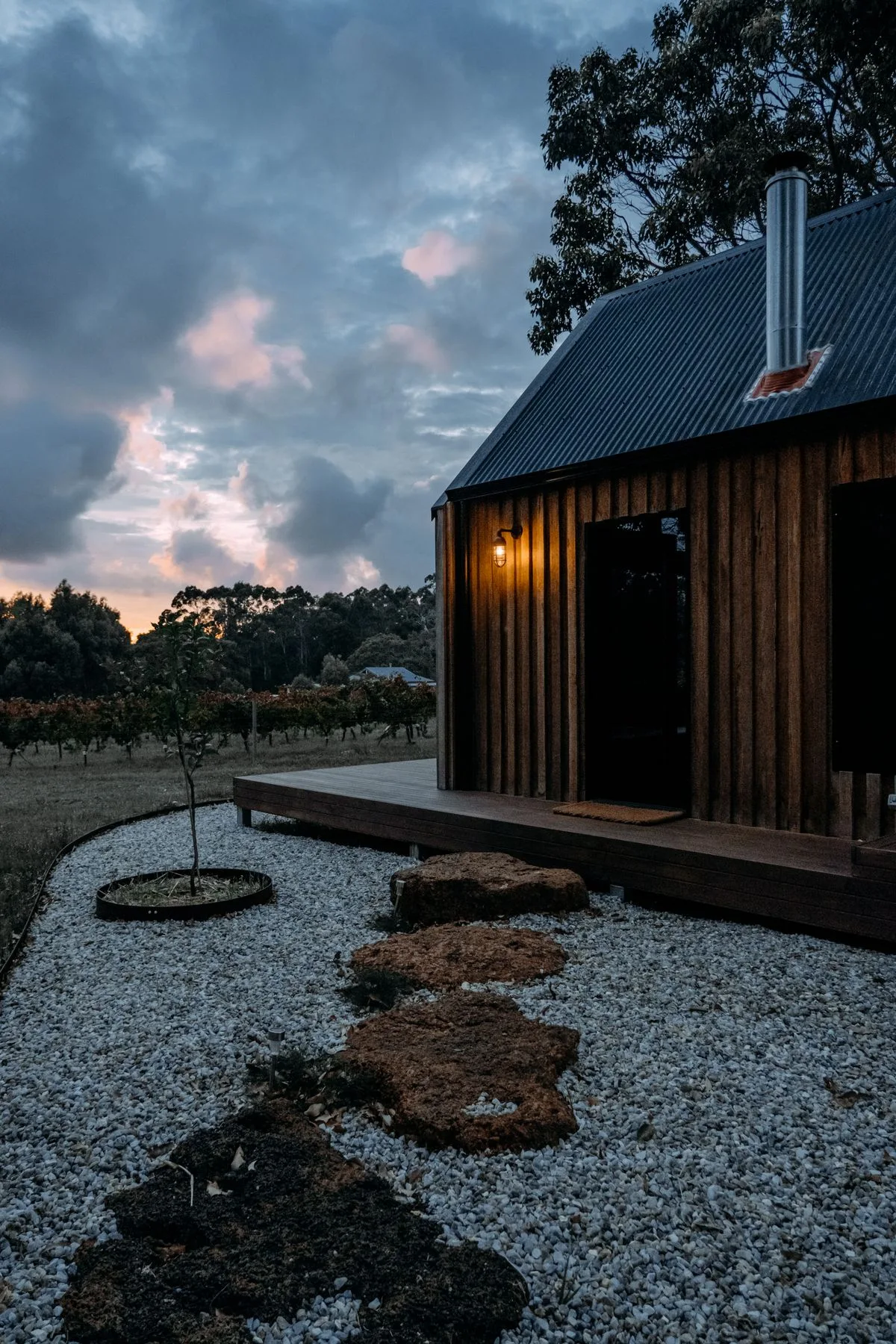
A wooden house with a deck beside trees and a garden

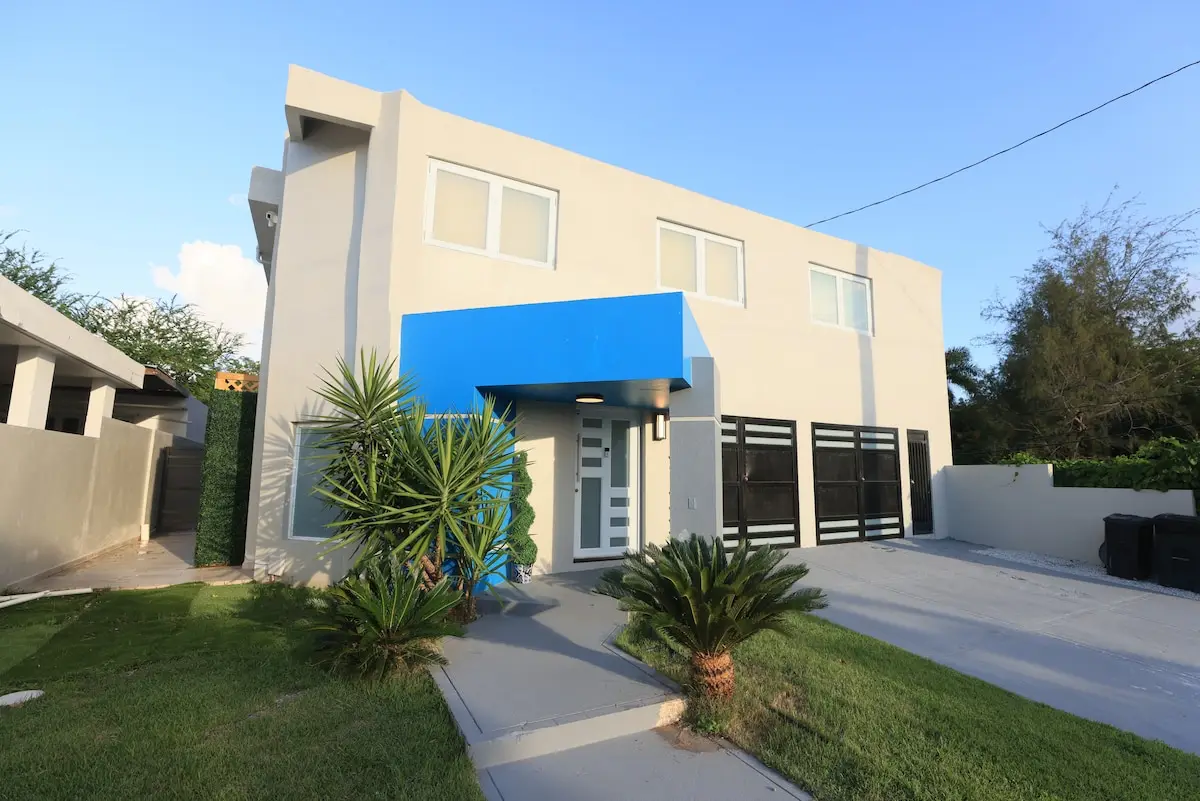
A private house

You can use the living areas and dining space together, but you may need to arrange catering and equipment separately.

Best for
A small team wanting time together.
Check first
Permission for group events and outside catering, actual beds and bathrooms, room-sharing preferences, quiet hours, and a table that seats the full team.
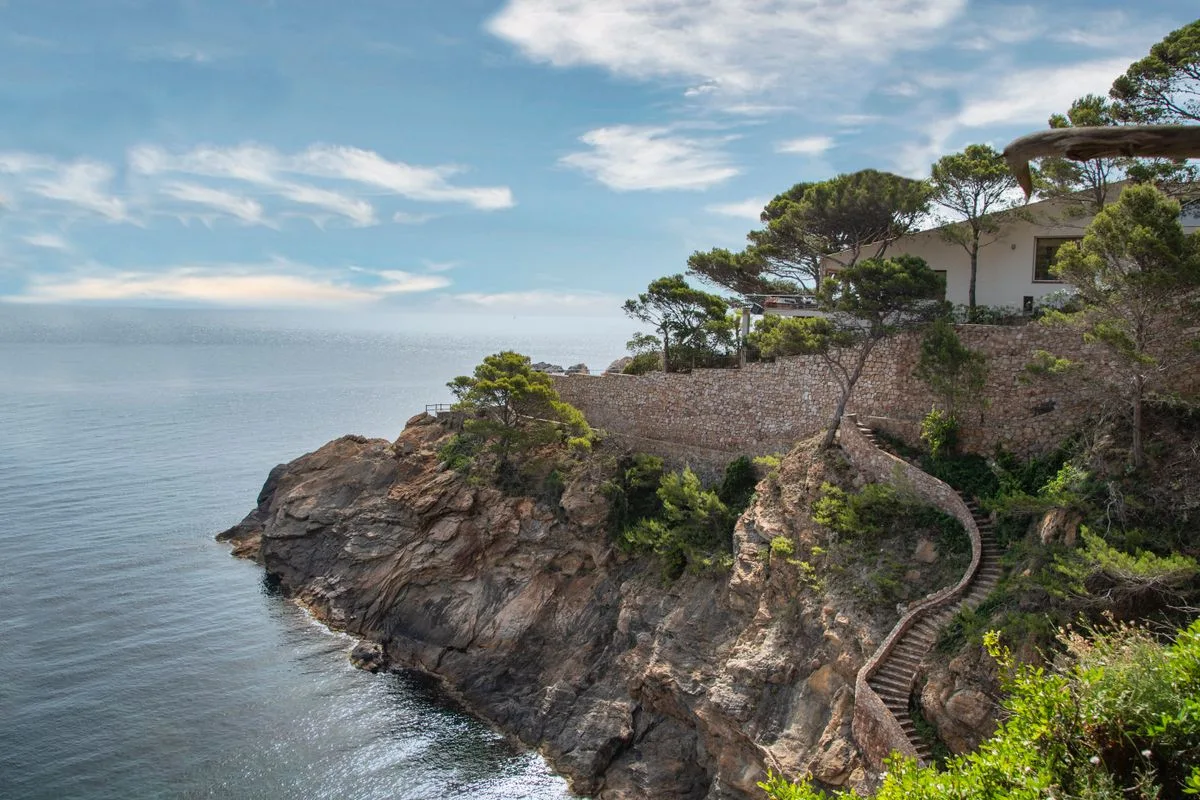
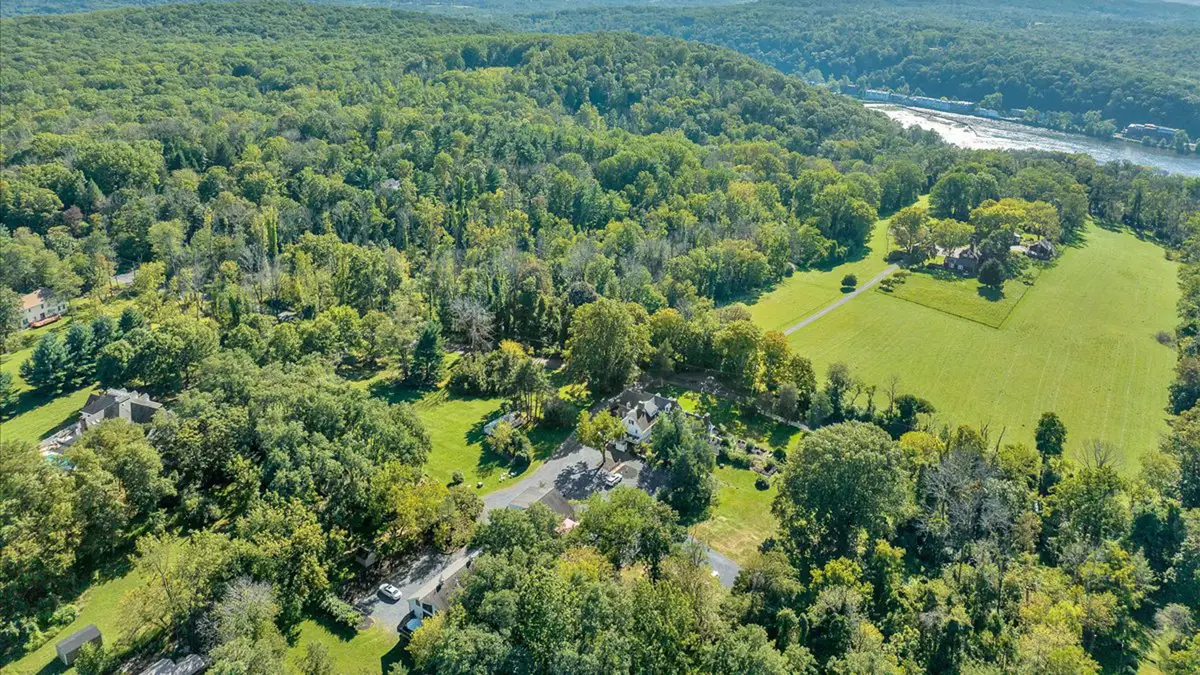
A coastal house above the sea with outdoor terraces

A coastal or countryside stay

Useful if you want to include walks or outdoor activities. Check how people will get there and what you can do in bad weather.

Best for
A retreat with downtime and outdoor experiences.
Check first
Transfer logistics, accessibility, seasonal conditions, and a comfortable indoor alternative.
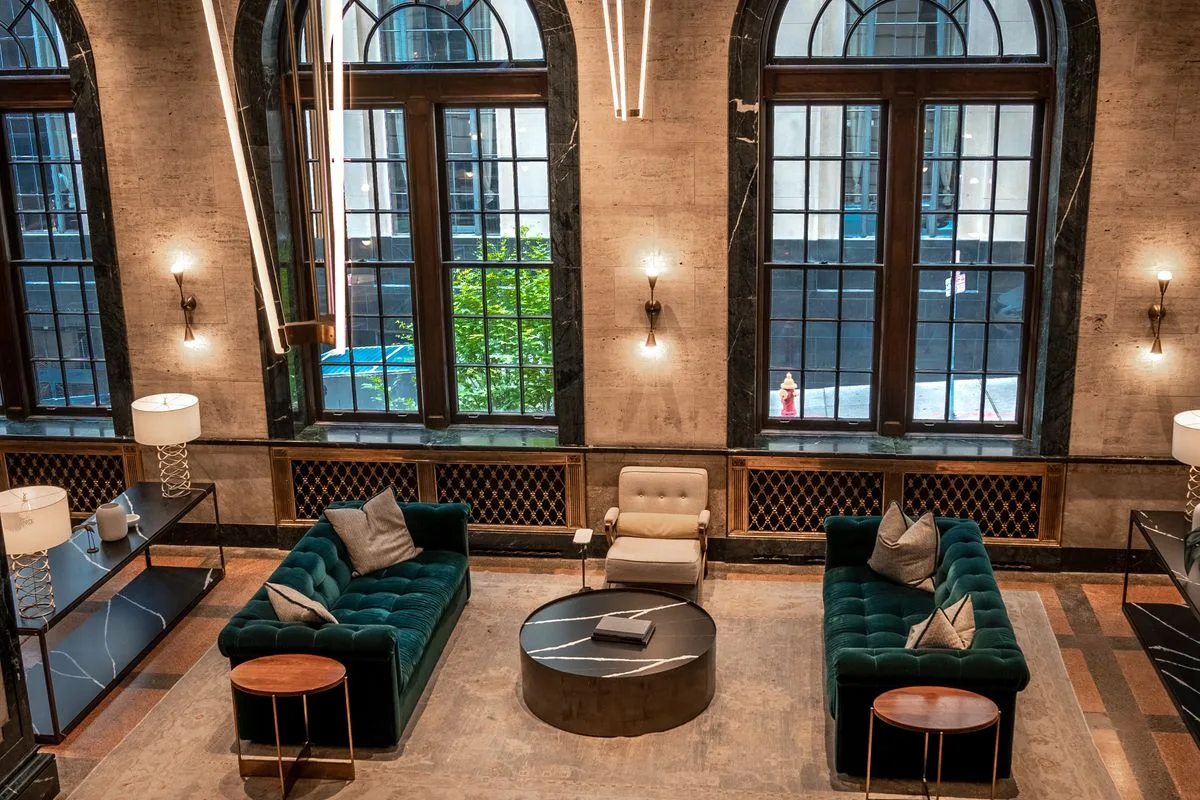
Hotel lounge with armchairs and large windows

A small hotel

Private bedrooms and on-site staff simplify rooming and meals. Meeting rooms and group dining may cost extra.

Best for
A team prioritizing privacy and meeting facilities.
Check first
Meeting-room rental, AV, catering minimums, exclusivity, and total costs beyond the room rate.

What goes into
a retreat budget?

Start with the whole experience. Accommodation is one line; meals, working space, transport, activities, and production need their own allowance.

Example budget / USD

$715per person

20 guests · 1 night · 20 rooms

Change the guest count, nights, and room arrangement. Replace the sample allowances with supplier quotes. Enter zero for anything included in another line.

These are editable examples, not market prices. Add quoted taxes and service charges below; budget separately for flights if needed.

Edit sample rates
Your example budget
Budget lineAllowance
Rooms 20 rooms × 1 night × $250$5,000
Meals & refreshments 20 guests × 2 days × $75$3,000
Meeting space & equipment 2 days × $500$1,000
One group activity$1,500
Ground transport$1,000
Local planning & production$1,500
Quoted taxes, service charges & other fees$0
Contingency 10% of the subtotal$1,300
Working total$14,300

Example total: $14,300 for 20 guests.

A two-day
team retreat agenda.

This schedule gives you two work sessions, a group activity, and dinner together over one night. Adjust arrival and departure times to suit travel. Confirm check-in, checkout, and luggage storage before sharing it with attendees.

Day 01

Arrival, workshop, and dinner

  1. Arrival & coffee

    Keep luggage storage ready if rooms aren’t available.

  2. Lunch & introductions

    Explain the goal of the retreat in five minutes, then let people eat and talk.

  3. Workshop: agree on the main problem

    Use the pre-read to choose one question. Spend 10 minutes writing individually, then discuss in groups of four.

  4. Check in & take a break

    Leave people time to unpack and recharge.

  5. Group activity

    Choose a cooking class, walk, or creative workshop. Let people opt for free time instead.

  6. Dinner together

    Mix the seating across teams and keep presentations off the dinner agenda.

Day 02

Working session and next steps

  1. Breakfast

    Allow an hour for breakfast rather than requiring everyone to arrive at once.

  2. Workshop: develop proposals

    Ask each group for one proposal, the resources it needs, and what success would look like.

  3. Break & check out

    Confirm checkout in advance and store luggage for the final session.

  4. Agree actions & owners

    Choose which proposals to pursue. Record an owner, deadline, and first step for each one.

  5. Lunch & feedback

    Ask everyone for one useful thing from the retreat and one change for next time.

  6. Departure

    Leave a buffer for transfers and onward travel.

Four activities
to consider.

Ask colleagues what they’d enjoy before booking. Start with one shared activity and leave room for breaks; add more only if the schedule and team’s preferences support them. Check the group capacity, give people a way to opt out, and include setup and travel time in the schedule.

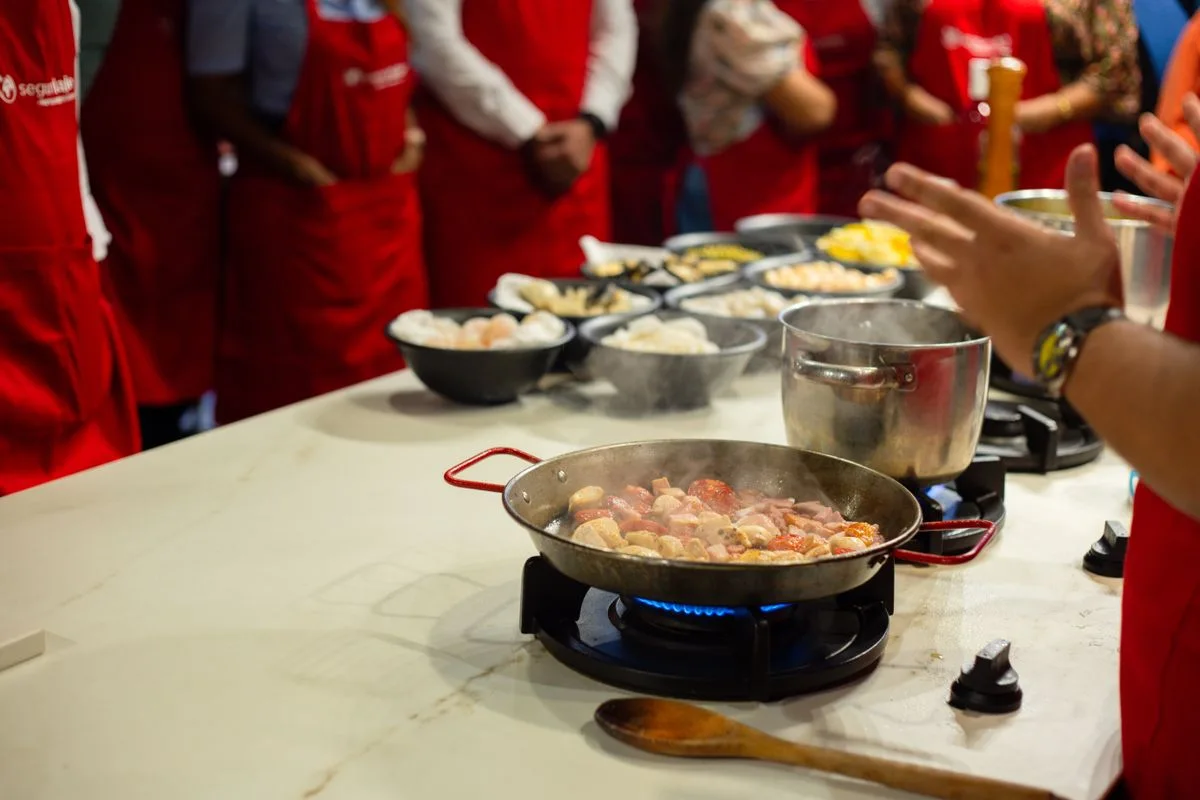
Participants in aprons preparing food during a cooking class

A cooking class

Split into small groups to prepare different dishes, then eat together. Confirm whether the class replaces a meal or needs a separate catering budget.

Plan for
2–3 hours; small groups at each station.
Ask about
Dietary requirements, accessible worktops, instructor capacity, and non-cooking roles.
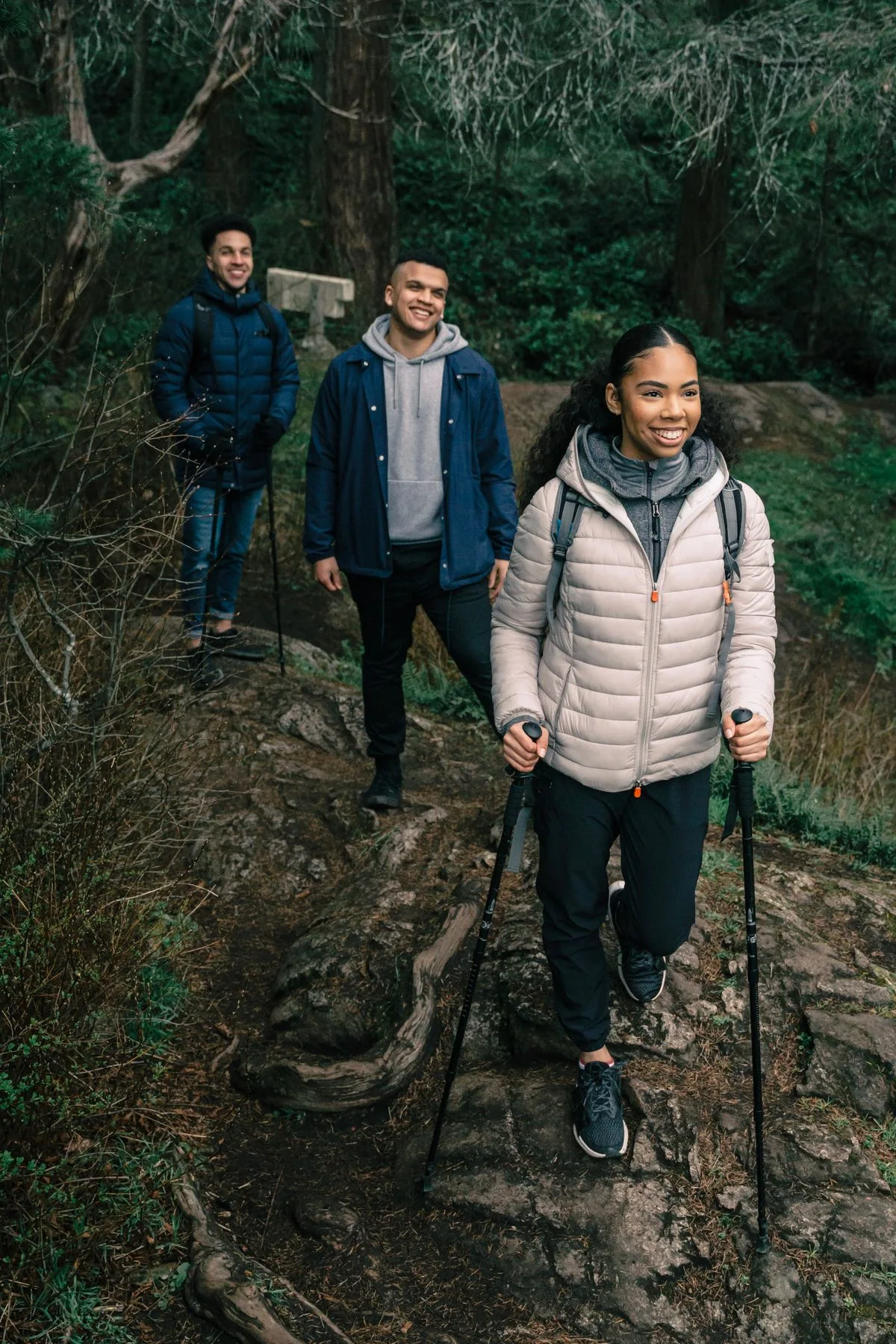
Friends walking together on a forest path

A guided walk

Choose a short route with a clear distance and elevation profile. Tell attendees what footwear they need and provide a non-walking option.

Plan for
45–90 minutes; routes matched to mobility and weather.
Ask about
Terrain, transport, toilets, and a seated or indoor alternative.
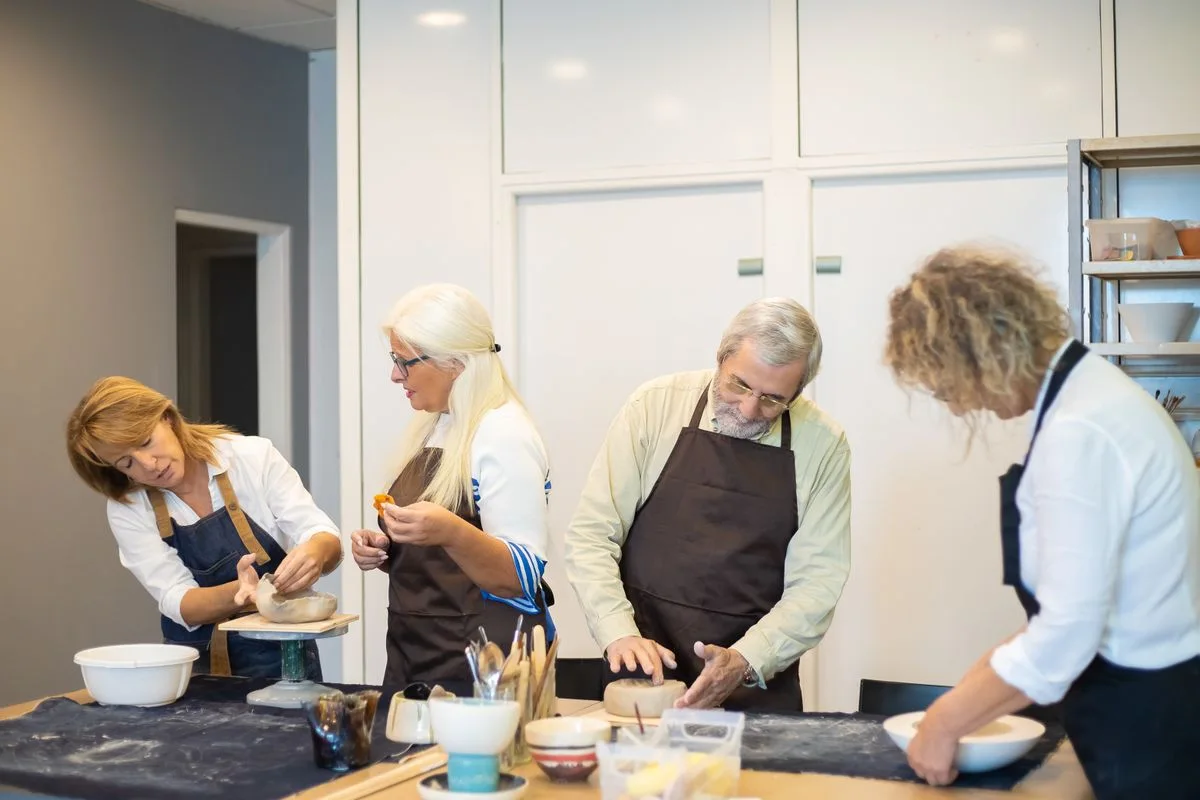
Adults learning pottery together around a workshop table

A pottery or craft workshop

Choose a beginner session so nobody needs prior experience. Check whether people can take their work home or whether firing and shipping cost extra.

Plan for
60–120 minutes; tables of 4–6 people.
Ask about
Materials, facilitator capacity, accessible tools, and setup and cleanup time.
A group sharing food and conversation around a dinner table

A shared dinner

Book a space where everyone can hear the conversation. Use several smaller tables for a larger group and confirm dietary requirements with the chef.

Plan for
About 2 hours; seating that lets everyone hear.
Ask about
Dietary needs, alcohol-free options, sound levels, and seating arrangements.

What to do
before and after.

Assign an owner to each task and work through the checklist with everyone helping organize the retreat.

Before requesting a quote
Before confirming
Before departure
After the retreat

Browse inspiration.

See how venues, meals, and activities come together in an event. Use these examples to help shape your own plans.

Browse our collection

How Vantly helps
organize your retreat.

Our collection of inspiration events helps you picture what’s possible. Vantly connects you with a local event planner and producer who tailors the venue, agenda, meals, activities, and logistics to your team’s goals and budget.

Contact us
  1. 01 / Explore

    Browse retreat examples.

    Compare the stays, meals, and activities in our collection. Pick one to discuss, or tell us what you’d like to do differently.

  2. 02 / Share

    Tell us about your team.

    Share your dates, headcount, goals, and budget. Vantly connects you with a local producer to refine the brief.

  3. 03 / Tailor

    Review a tailored proposal.

    Your producer creates a tailored proposal and final quote. Review the scope, inclusions, and terms before committing.

Frequently asked questions

Team retreat questions.

What’s the difference between a team retreat and an offsite?

The terms often overlap. An offsite usually describes a gathering away from the workplace; a retreat often includes more time for connection, reflection, and an overnight stay. Choose the format around your goal rather than the label.

How long should a team retreat be?

A day can work for a focused session with nearby attendees. An overnight format gives you time for dinner and informal conversation. Add nights when travel or the agenda calls for them, and account for time away from work.

How much does a company retreat cost?

It depends on headcount, dates, room arrangements, travel, meals, and activities. Use the example budget to list the costs you need to cover, then request quotes for your dates. Prices shown in our collection are indicative; your local producer prepares a final quote for the agreed experience.

Can we change an inspiration event’s agenda or activities?

Yes. Inspiration events are a starting point. Your local producer tailors the experience to your dates, team, preferences, and budget, subject to venue and supplier availability. The final proposal confirms what’s included.

What does a local event producer do?

They turn your brief into a practical event plan, bringing local venue and supplier knowledge. Agree their responsibilities in the proposal, including sourcing, coordination, transport, and any on-site support.

Do we need a finished brief before contacting Vantly?

No. Start with your purpose, approximate headcount, preferred dates, and budget if you have one. Use the checklist above to gather the remaining details, and refine the brief together.


Event organizers preparing name badges at a registration desk

Organize your retreat
with a local producer.

Tell us your headcount, dates, and budget. We’ll help you work out the venue, meals, activities, and transport.