Skip to content
Vantly Plan your event

How to plan a sales kickoff.

A sales kickoff (SKO) brings the sales team together, usually at the start of the fiscal year, to review results and explain the targets, products, and sales priorities for the year ahead. It gives reps time to ask questions and practice customer conversations before they return to selling. A typical agenda combines leadership presentations, product updates, small-group workshops, and a team dinner. Plan two days if colleagues are traveling; a local team can fit a focused kickoff into one day.

Colleagues discussing work around a conference table

Decide what the sales team needs to do differently.

Choose a few outcomes that matter after the kickoff. A presentation can explain a change; practice and feedback help people apply it.

Understand the sales priorities

Explain the market, customer segments, and priorities for the coming period.

Try this: Use specific examples and leave time for questions. Share detailed targets and territory material through the team's normal process.

Practice a new conversation

Use realistic customer situations to rehearse discovery, demonstrations, or objection handling.

Try this: Give participants roles and a short feedback rubric. Rotate roles so people practice rather than only watch.

Improve sales handoffs

Bring relevant product, marketing, and customer teams into the sessions where they can help.

Try this: Map one handoff and agree the information needed, the owner, and the expected response time.

Choose a venue for the agenda.

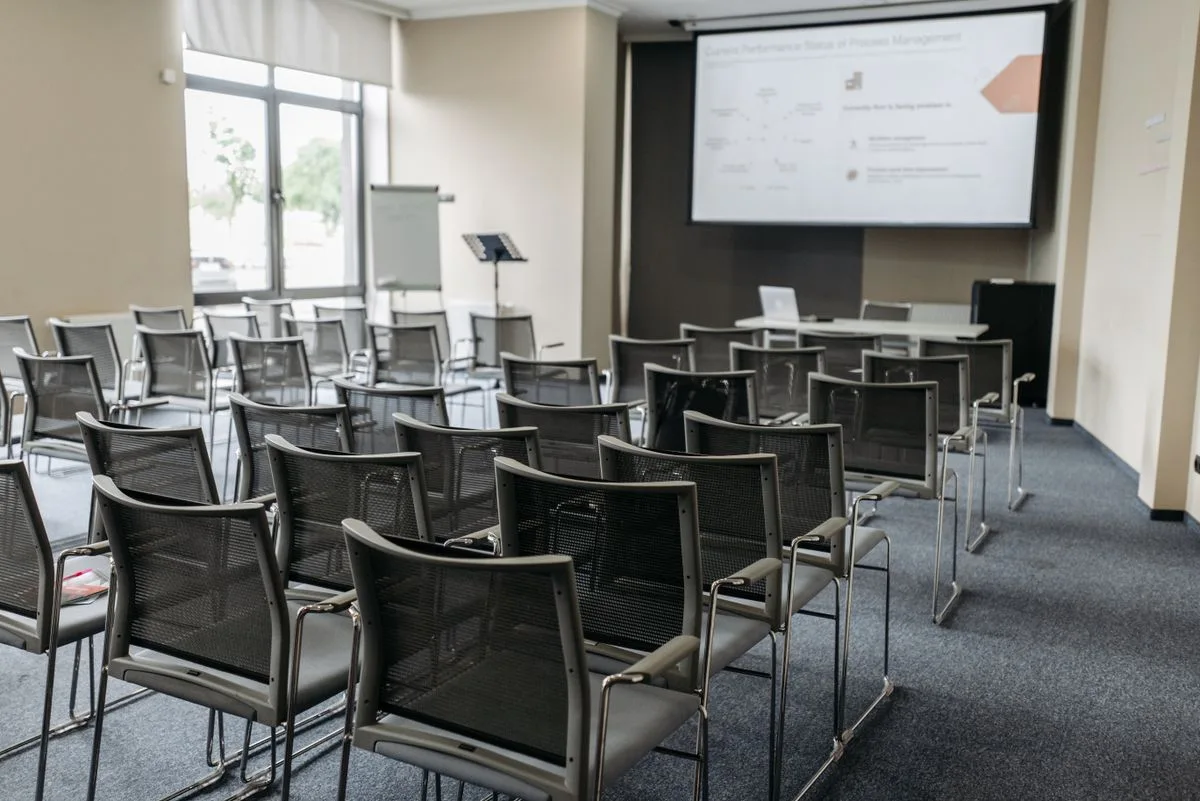
You need more than a stage. Check plenary seating, breakout-room capacity, microphones, Wi-Fi, and places where small groups can practice without competing noise.

A conference room with rows of chairs and a presentation screen

A conference hotel

Useful when participants travel and you need a plenary room, breakouts, meals, and bedrooms together.

Check first
Request room-by-room capacity for your layout, separate AV and internet charges, setup times, meal service, and room-block release dates.
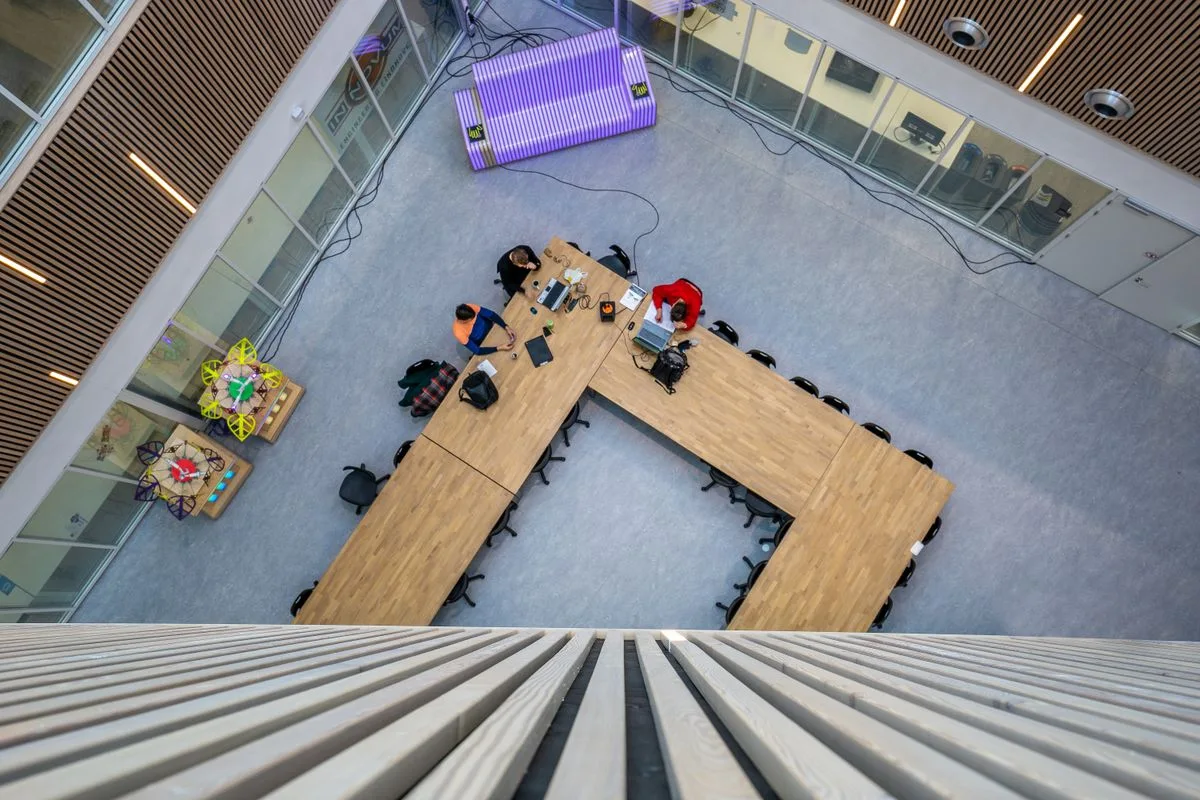
Colleagues working around a table in a large meeting space

A conference or training center

Useful for structured learning with several practice groups running at the same time.

Check first
Check sound separation between rooms, furniture flexibility, screen access, power, and facilitator capacity. Test demos on the venue network.
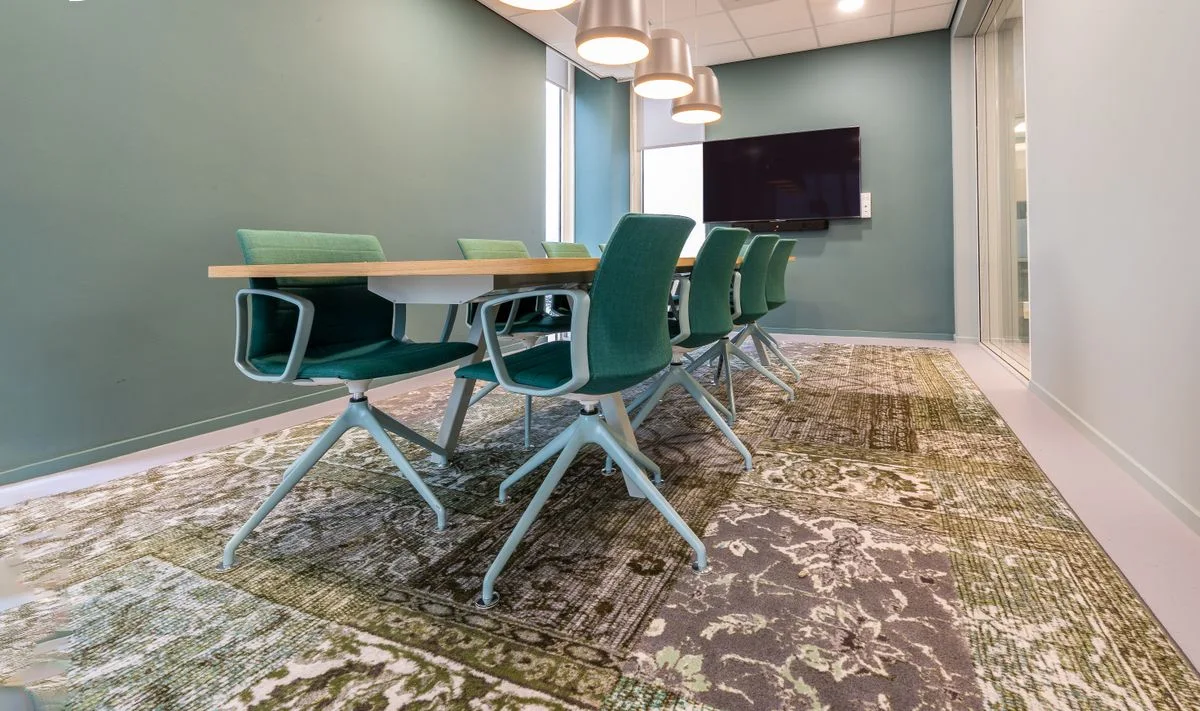
A furnished meeting room with green chairs and a screen

A local meeting or event venue

A practical option for a one-day kickoff when most attendees are based nearby.

Check first
Allow a stage or screen plus smaller spaces for practice. Ask whether catering, microphones, setup, and technical support are included.

A sample agenda for sales kickoffs.

This one-night schedule alternates presentations with practice. Replace sessions with your actual priorities and send supporting material beforehand.

Day 1 · Strategy and practice

  1. Arrival and coffee

    Keep early arrivals occupied while the full group gathers.

  2. Sales priorities

    Explain the customer focus, goals, and choices behind the plan.

  3. Lunch

    Mix sales regions or functions at tables.

  4. Product or customer session

    Use a customer example and leave time to challenge assumptions.

  5. Break and check-in

    Allow time away from the plenary room.

  6. Practice in small groups

    Use one scenario, rotate seller and customer roles, and record feedback.

  7. Questions and takeaways

    Collect questions for subject experts and summarize changes to try.

  8. Dinner and recognition

    Keep recognition specific and brief, then let colleagues talk.

Day 2 · Apply and commit

  1. Breakfast

    Allow an open arrival window.

  2. Workshop by role or segment

    Work through the actual conversations and handoffs each group needs.

  3. Break and checkout

    Store luggage before the closing sessions.

  4. Team action plans

    Choose two changes per team with an owner and a review date.

  5. Commitments and lunch

    Explain where materials live and how managers will follow up.

  6. Departure

    Leave a buffer for transport and onward travel.

Build an example budget.

Compare accommodation, meals, meeting space, and support for your chosen length of stay. Use supplier quotes for your dates before approving a total.

Example budget / USD

$619per person

40 guests · 1 night · 40 rooms

Change the guest count, nights, and room arrangement. Replace the sample allowances with supplier quotes. Enter zero for anything included in another line.

These are editable examples, not market prices. Add quoted taxes and service charges below; budget separately for flights if needed.

Edit sample rates
Your example budget
Budget lineAllowance
Rooms 40 rooms × 1 night × $250$10,000
Meals & refreshments 40 guests × 2 days × $75$6,000
Meeting rooms & AV 2 days × $1000$2,000
Ground transport$2,000
Local planning & production$2,500
Quoted taxes, service charges & other fees$0
Contingency 10% of the subtotal$2,250
Working total$24,750

Example total: $24,750 for 40 guests.

Prepare for practice, not just presentations.

Give the organizer, enablement lead, and facilitators a shared run sheet. Each session needs a purpose, materials, a room, and someone responsible for keeping it on time.

Plan enough practice groups

Divide the audience by role or learning need and give each group a named facilitator.

Plan for
Write realistic scenarios and a short feedback rubric. Include time to rotate seller and customer roles; confirm the breakout-room layout before printing assignments.

Rehearse speakers and demos

Test microphones, slides, clickers, sound, logins, and customer demonstrations in the actual room.

Plan for
Agree deadlines for slides and an offline alternative to a live demo. Make breaks and speaker changes visible in the production run sheet.

Make resources usable afterward

Put approved slides, practice prompts, FAQs, and manager follow-up tasks in one accessible place.

Plan for
Assign an owner to unanswered questions and schedule a manager-led follow-up. Judge usefulness by what participants can apply, rather than attendance alone.

Your planning checklist.

Assign an owner to each task. Work through these checks with everyone helping organize the event.

Design the kickoff
Prepare the event
After the kickoff

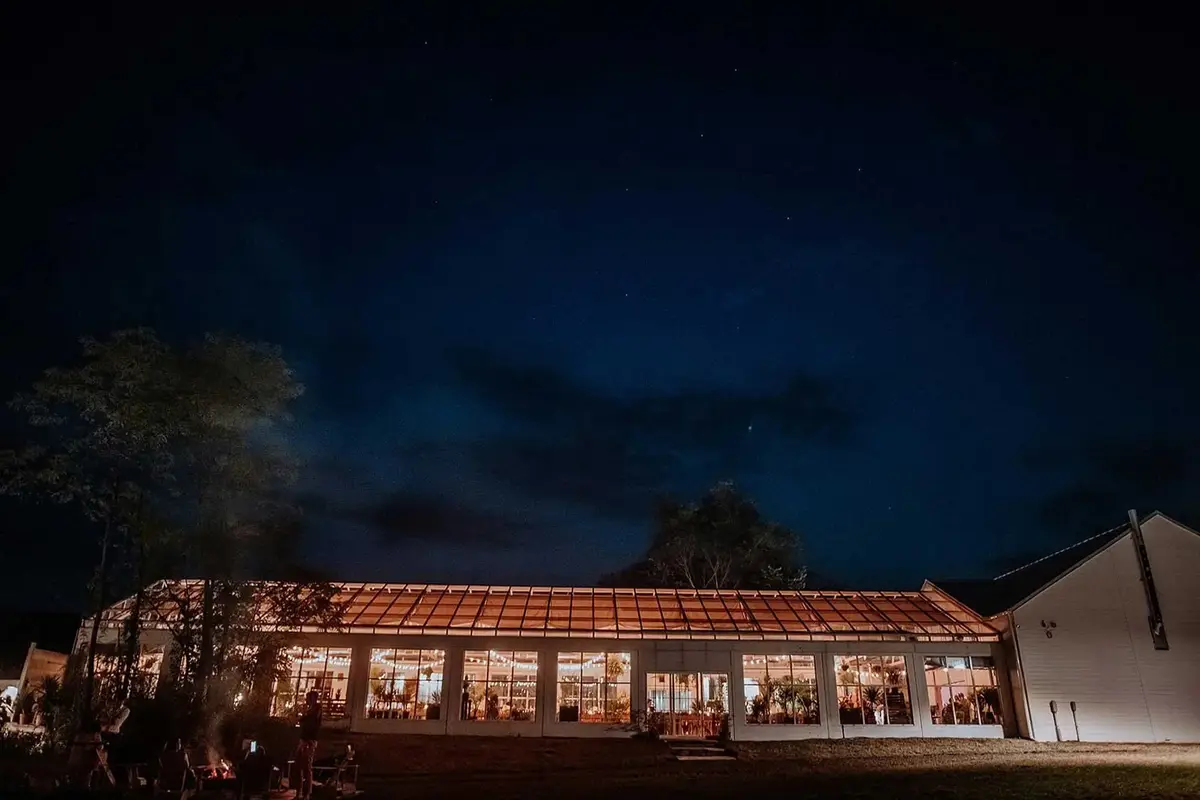
Browse inspiration.

See how venues, meals, and activities come together. Use these events to help shape your own plans.

Browse our collection

Plan your event with Vantly.

Our collection provides inspiration. Vantly connects you with a local event planner and producer who adapts the venue, schedule, suppliers, and logistics to your brief.

  1. 01 / Share

    Tell us what you need.

    Share your goals, headcount, dates, and budget. Start with an event from our collection or with your own brief.

  2. 02 / Refine

    Work with a local producer.

    Discuss the venue, schedule, and supplier options with someone who knows the area.

  3. 03 / Review

    Review the proposal.

    Confirm the agreed scope, inclusions, quote, and terms before committing.

Planning questions.

How long should a sales kickoff be?

A day can cover a focused update and practice session. Two days give more room for multiple roles, travel, and cross-team conversations. Choose the length from the outcomes and audience rather than tradition.

How much time should we leave for practice?

Give each participant a chance to try the conversation and receive feedback. Break larger groups into smaller sessions with enough facilitators, rather than having most people watch a demonstration.

Who should join from other teams?

Invite people who support the planned outcomes: product experts for product sessions, marketing for messaging, or customer teams for handoffs. They do not need to attend every session.

When should we hold the kickoff?

Choose a date that supports your sales planning cycle and leaves enough time for preparation. Check customer commitments, travel, and venue availability before announcing it.

Can a local producer adapt the event to our team?

Yes. The collection is a starting point. Share your purpose, dates, headcount, preferences, and budget. Your local producer prepares a tailored proposal with the final scope and quote.