

Agree the next set of priorities
Put the competing priorities on one page, with constraints and available resources.
Try this: Ask the group to rank options individually before discussing them. Record what you choose not to pursue.
A leadership retreat brings a company’s leaders together away from everyday meetings to work through priorities, difficult trade-offs, and decisions that need focused discussion. It gives the group time to compare options and agree who will carry each decision forward. A typical agenda combines a short review of the situation, facilitated working sessions, and time to record decisions, owners, and deadlines. Plan two days for several connected questions; one clear decision may only need a focused day.

Write down what the leadership group needs to decide. If the topic only needs an update, share it before the retreat and keep the working time for discussion.
Put the competing priorities on one page, with constraints and available resources.
Try this: Ask the group to rank options individually before discussing them. Record what you choose not to pursue.

Bring the evidence and people needed to make a specific decision.
Try this: Name a decision owner and define which voices are advisory. Separate the discussion of evidence from the final decision.

Use specific examples of handoffs or decisions that have been difficult.
Try this: Discuss the process rather than personalities. Agree one change to try and a date to review it.
Choose for privacy and the quality of the working room first. A local meeting room can be enough for a focused day; add an overnight stay only when the agenda or travel warrants it.
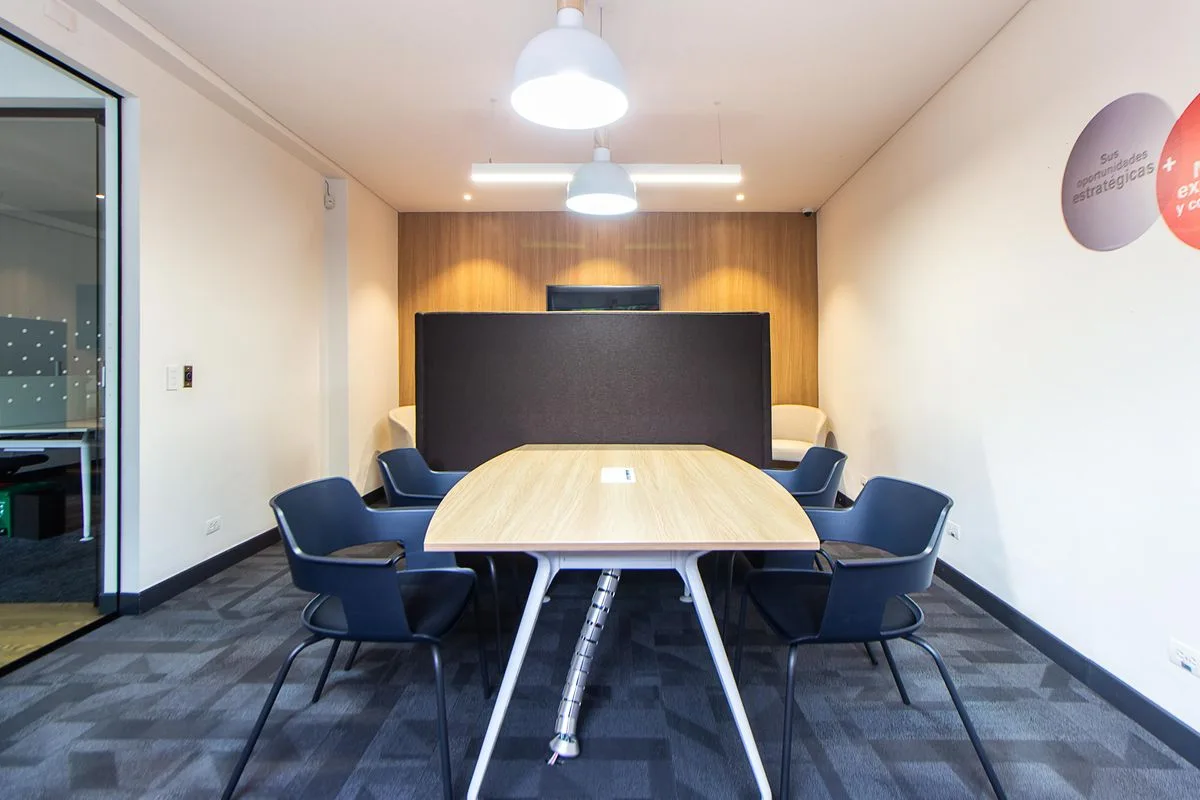
A useful starting point for a focused discussion without overnight logistics.

Useful when leaders are traveling or you need meals and a staffed meeting space in the same building.

An option for a genuinely multi-day agenda, with a proper working room rather than only a living area.
This one-night agenda centers on a single strategic question. Send a brief and supporting evidence before arrival.
Keep this informal so everyone can arrive before the working session.
State the decision, constraints, and what is outside the scope.
Distinguish facts, assumptions, and gaps. Capture questions without immediately solving them.
Give people time away from the room.
Work in pairs or groups of three. Require an alternative to each group's preferred option.
Keep decision-making out of the dinner conversation so everyone hears the same discussion.
Give people time to review yesterday's notes.
Use the same criteria for each option: impact, resources, risks, and reversibility.
Arrange luggage storage before the session resumes.
Record the rationale and any unresolved assumptions.
Name an owner, deadline, and first action. Schedule the review meeting before leaving.
Confirm who will communicate the decision to the wider team.
Compare accommodation, meals, meeting space, and support for your chosen length of stay. Use supplier quotes for your dates before approving a total.
Example budget / USD
$770per person
12 guests · 1 night · 12 rooms
Change the guest count, nights, and room arrangement. Replace the sample allowances with supplier quotes. Enter zero for anything included in another line.
These are editable examples, not market prices. Add quoted taxes and service charges below; budget separately for flights if needed.
| Budget line | Allowance |
|---|---|
| Rooms 12 rooms × 1 night × $250 | $3,000 |
| Meals & refreshments 12 guests × 2 days × $75 | $1,800 |
| Meeting space & equipment 2 days × $500 | $1,000 |
| Ground transport | $600 |
| Local planning & production | $2,000 |
| Quoted taxes, service charges & other fees | $0 |
| Contingency 10% of the subtotal | $840 |
| Working total | $9,240 |
Example total: $9,240 for 12 guests.
Agree these details with the session sponsor before inviting attendees. The organizer coordinates the discussion; the decision owner remains responsible for the decisions.
Name who manages time and participation, and who has authority to decide each question.
Give participants the question, options, constraints, evidence, and any gaps before the retreat.
Keep a shared record of the decision, rationale, owner, deadline, and unresolved questions.
Assign an owner to each task. Work through these checks with everyone helping organize the event.
See how venues, meals, and activities come together. Use these events to help shape your own plans.

20 guests · 2 nights
From $1,800 per person
View event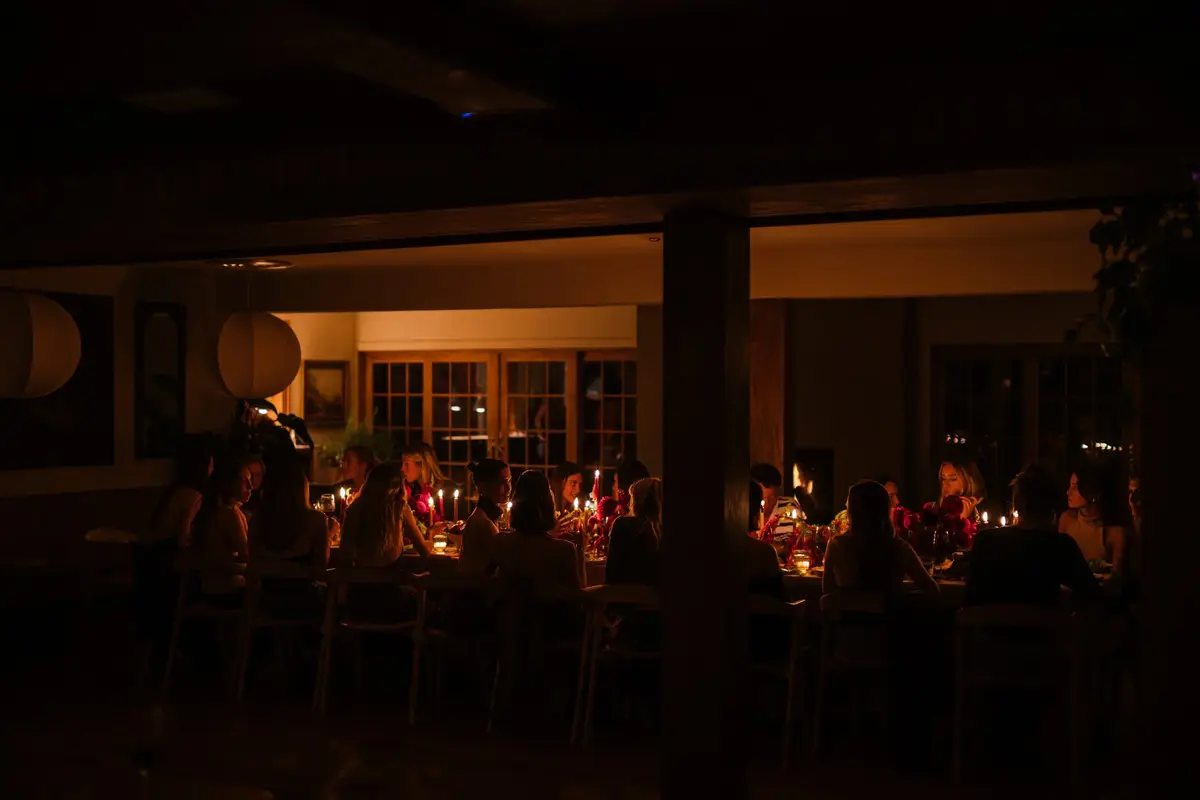
12–16 guests · 2 nights
From $1,600 per person
View event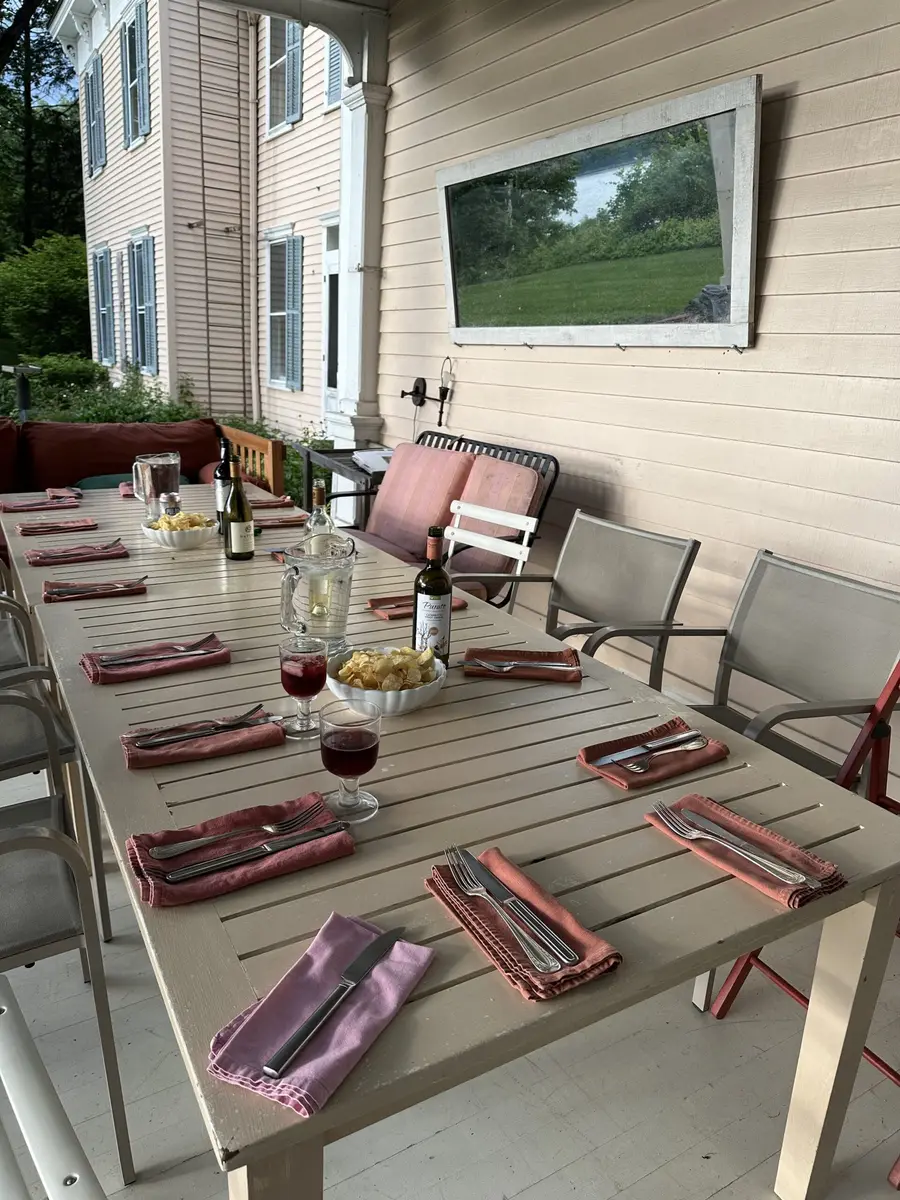
10–12 guests · 2 nights
From $1,100 per person
View eventOur collection provides inspiration. Vantly connects you with a local event planner and producer who adapts the venue, schedule, suppliers, and logistics to your brief.
Share your goals, headcount, dates, and budget. Start with an event from our collection or with your own brief.
Discuss the venue, schedule, and supplier options with someone who knows the area.
Confirm the agreed scope, inclusions, quote, and terms before committing.
Invite the people accountable for the decisions and the experts needed to inform them. Bring specialists into specific sessions when they do not need to attend the whole retreat.
An external facilitator can help when the chair also needs to contribute, when perspectives are sharply divided, or when you want someone to manage participation and time. Agree the brief and outputs beforehand.
Give people a short brief with the question, constraints, evidence, and decisions required. Make clear which material must be read and when contributions are due.
Send routine updates beforehand. Organize sessions around questions that need discussion, and give each session a named outcome.
Yes. The collection is a starting point. Share your purpose, dates, headcount, preferences, and budget. Your local producer prepares a tailored proposal with the final scope and quote.