

Help new colleagues meet
Choose a low-pressure activity that works in small groups.
Try this: Mix groups across roles, explain the activity clearly, and avoid games that depend on personal disclosures.
A team building day brings colleagues together for a shared experience outside their usual work routine. Teams might use it to welcome new colleagues, practice working together, or take a break after a busy period. A typical day combines an instructor-led activity, such as cooking or pottery, with lunch and time for conversation. Keep it to one day near the office or public transport, and leave room for breaks and an equally welcoming alternative for anyone who prefers a quieter activity.
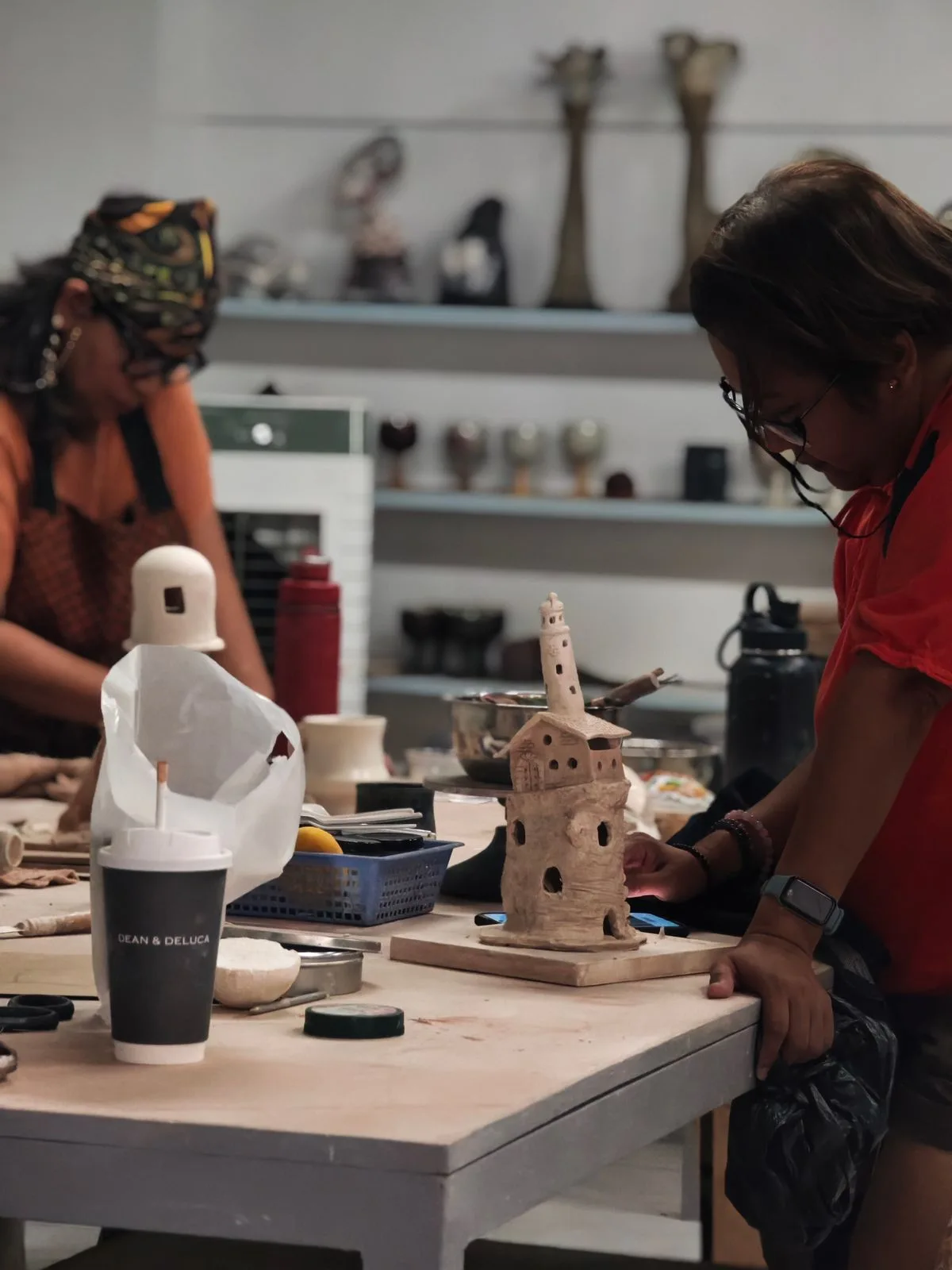
A team building day can help colleagues meet, work together, or take a break. Choose one purpose and ask what people would enjoy before booking.
Choose a low-pressure activity that works in small groups.
Try this: Mix groups across roles, explain the activity clearly, and avoid games that depend on personal disclosures.

Use a shared task with roles people can choose or rotate.
Try this: Keep the debrief short: ask what helped the group work and what they could try in everyday projects.

Offer a lighter schedule with optional activity time and a shared meal.
Try this: Do not turn a reset day into a strategy workshop. Let colleagues opt for a quieter alternative.
Start with the activity and look for a suitable venue near the office or public transport. Check capacity, accessible routes, toilets, seating, and lunch arrangements. For outdoor plans, agree a usable indoor backup before booking.
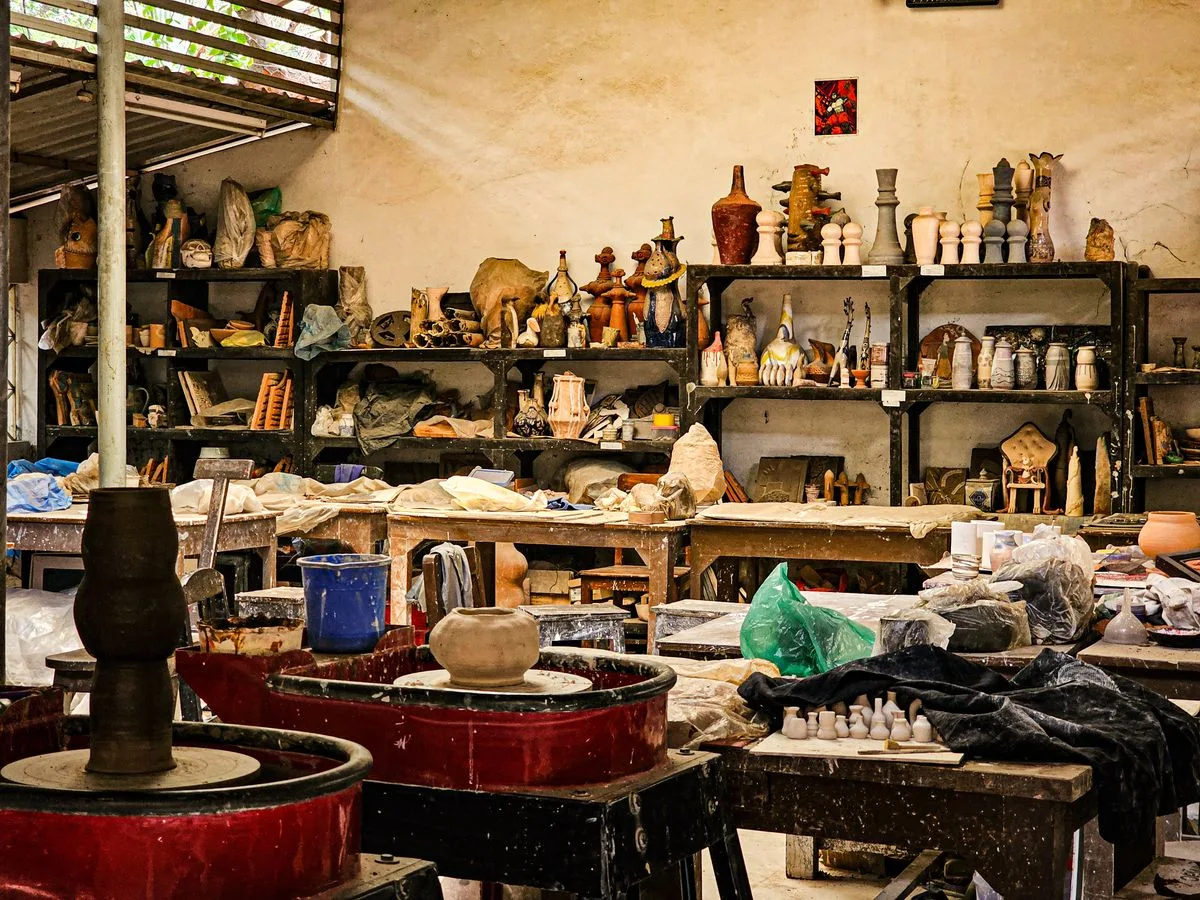
Useful for a cooking, craft, or other instructor-led workshop with equipment already on site.
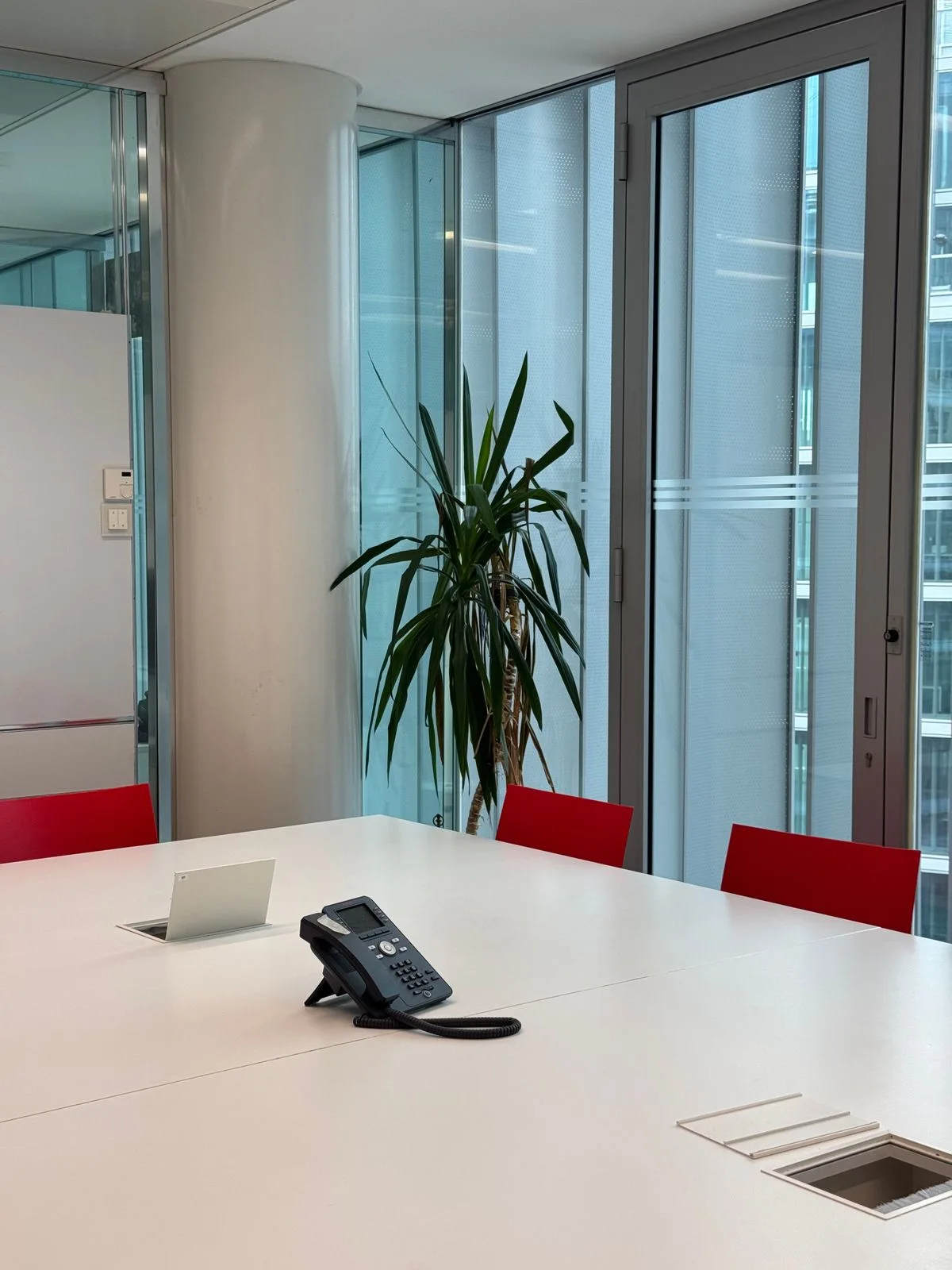
Useful for a facilitated group exercise followed by lunch or an informal team discussion.
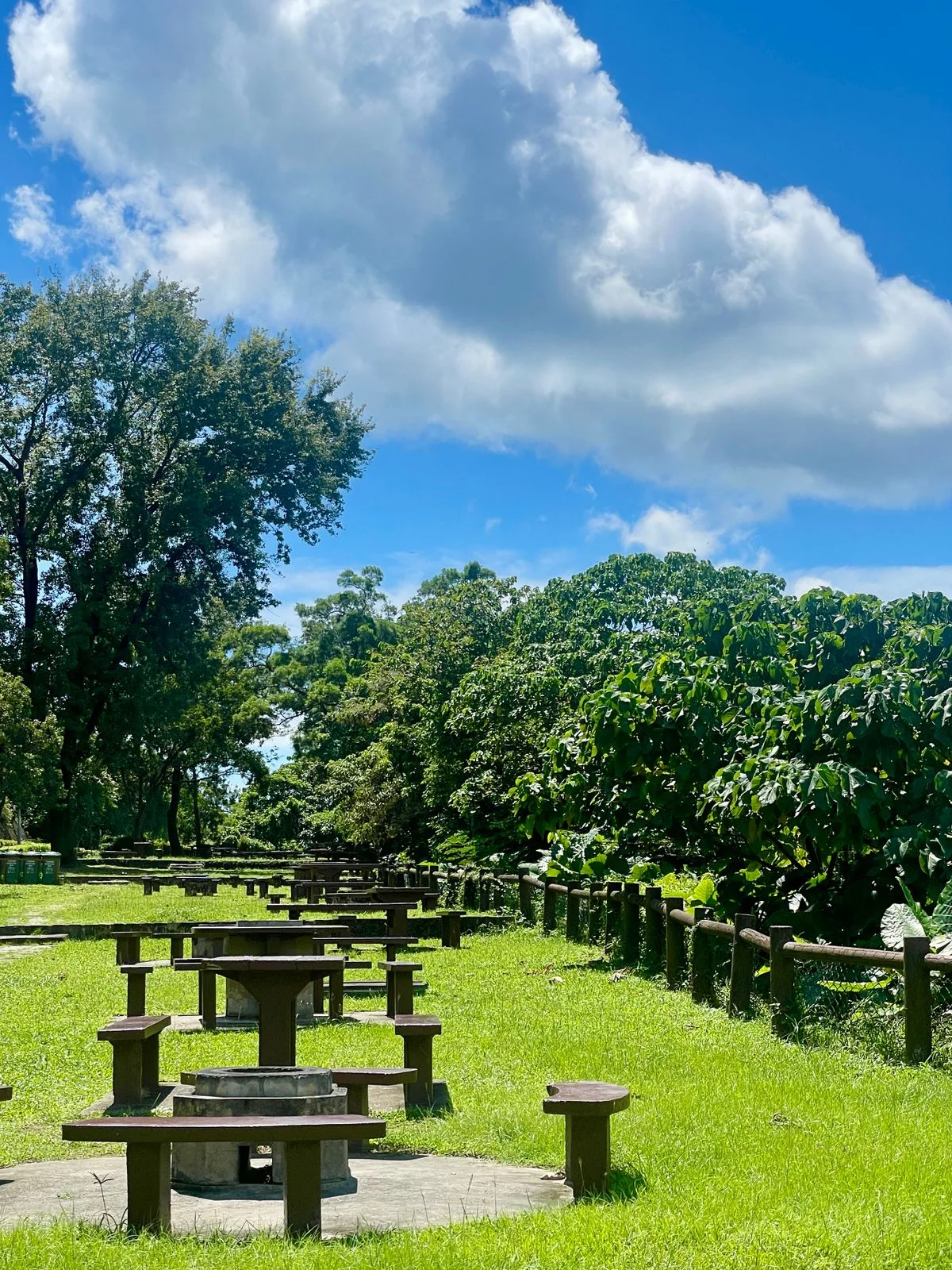
An option if the chosen activity needs outdoor space and participants want it.
An example for a 90-minute workshop, lunch, and a flexible afternoon. For a cooking class lasting two to three hours, move lunch later or make it part of the class; do not squeeze the activity into this shorter slot.
Leave time for arrivals and explain the location of toilets, quiet space, and the organizer.
The facilitator explains the activity, adaptations, and how to choose the alternative.
This example allows 90 minutes. Check the booked activity’s real duration, including setup and cleanup.
Allow time to wash up, change spaces, or finish packing any materials.
Serve lunch without a work presentation; keep dietary options available for every guest.
Offer conversation, a gentle walk, or a quiet space. Make the choices equally acceptable.
Ask what people enjoyed and what made joining difficult. Avoid a lengthy debrief for a reset day.
Keep the announced finish time so colleagues can plan the rest of their day.
Compare the cost of the venue, catering, equipment, and support for one day. Use supplier quotes for your dates before approving a total.
Example budget / USD
$191per person
25 guests · one day
Change the guest count. Replace the sample allowances with supplier quotes. Enter zero for anything included in another line.
These are editable examples, not market prices. Add quoted taxes and service charges below; budget separately for flights if needed.
| Budget line | Allowance |
|---|---|
| Meals & refreshments 25 guests × 1 days × $45 | $1,125 |
| Day venue & equipment 1 days × $600 | $600 |
| One group activity | $1,625 |
| Ground transport | $500 |
| Local planning & production | $500 |
| Quoted taxes, service charges & other fees | $0 |
| Contingency 10% of the subtotal | $435 |
| Working total | $4,785 |
Example total: $4,785 for 25 guests.
Share the choices with colleagues. Check instructor capacity and adaptation options before collecting preferences.

Small groups prepare a dish and eat together. Confirm whether the class replaces lunch.

Choose a local route people can assess before deciding whether to join.

Book a beginner session with enough tools, workstations, and instructor time for the group.
Assign an owner to each task. Work through these checks with everyone helping organize the event.
See how venues, meals, and activities come together. Use these events to help shape your own plans.
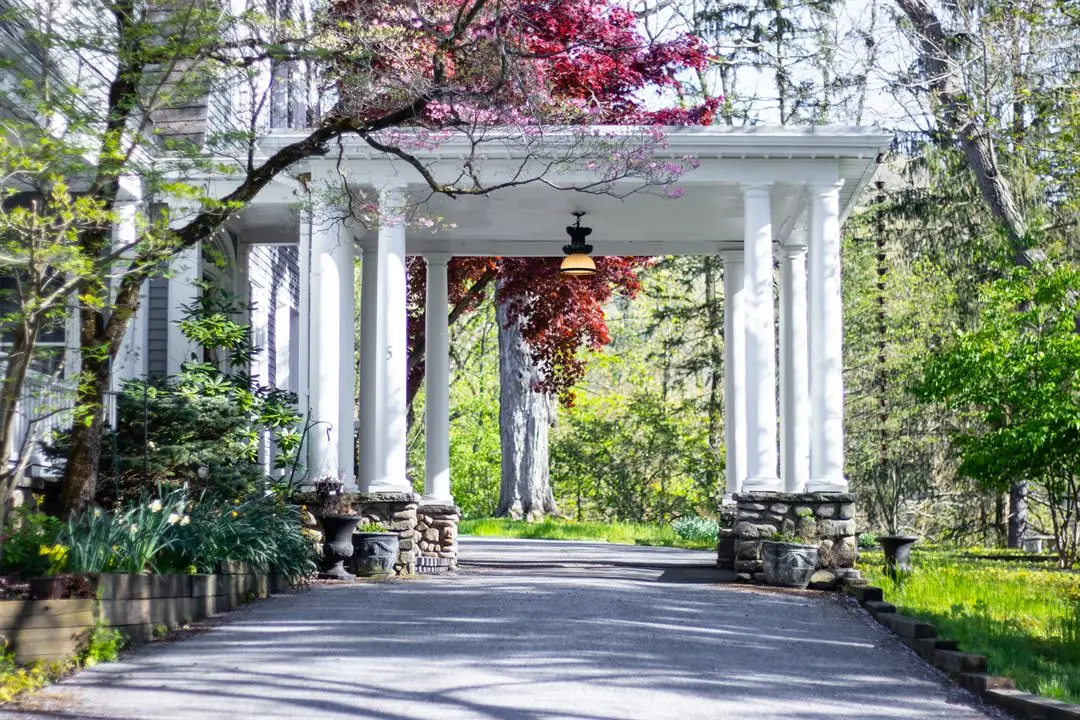
12–20 guests · 0 nights
From $750 per person
View event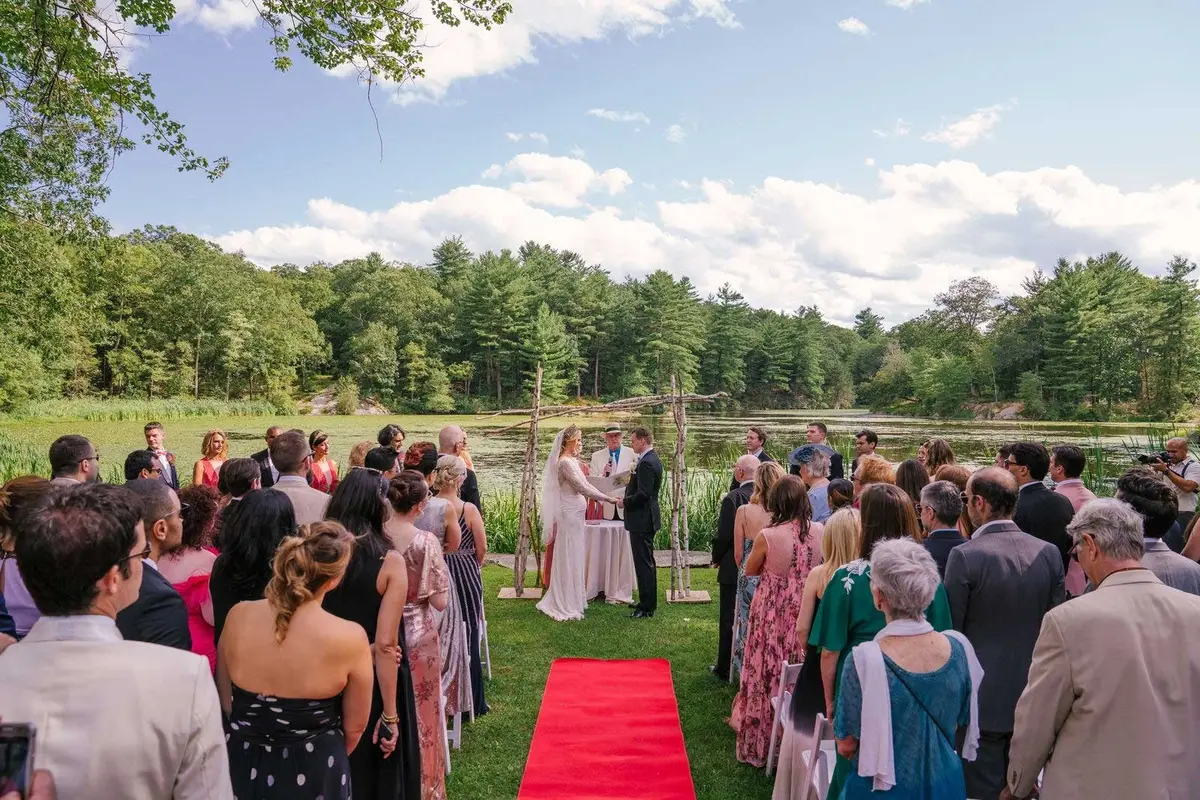
12–20 guests · 0 nights
From $1,200 per person
View event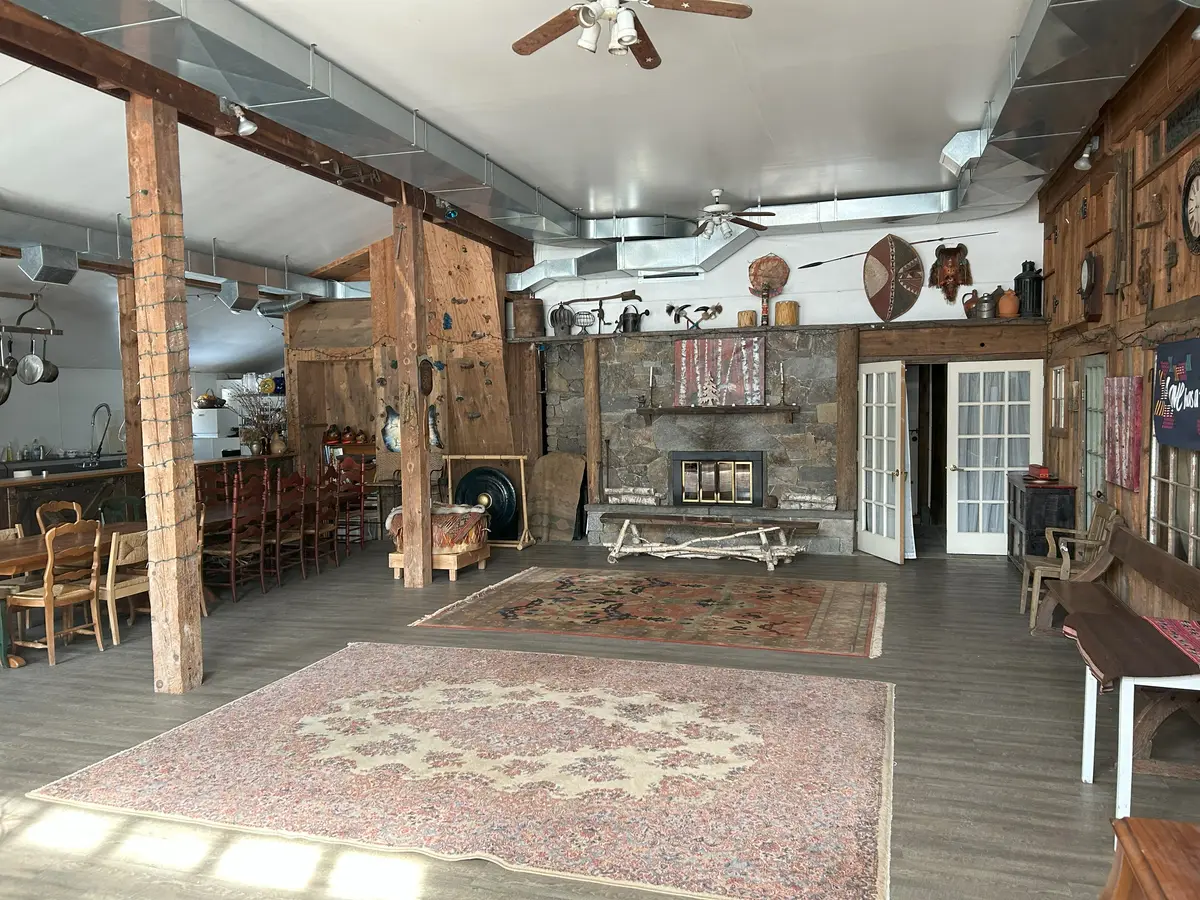
12–20 guests · 0 nights
From $550 per person
View eventOur collection provides inspiration. Vantly connects you with a local event planner and producer who adapts the venue, schedule, suppliers, and logistics to your brief.
Share your goals, headcount, dates, and budget. Start with an event from our collection or with your own brief.
Discuss the venue, schedule, and supplier options with someone who knows the area.
Confirm the agreed scope, inclusions, quote, and terms before committing.
They can overlap. A reset emphasizes time away from routine and recovery after a busy period. A team building day can also focus on connection or collaboration. Shape the schedule around the purpose rather than the label.
Give people a way to opt for an equivalent alternative. Share physical requirements in advance and collect accessibility needs privately so people can participate without having to explain themselves to the group.
Yes, if it supports the purpose. Keep it short and make its outcome clear. For a reset day, protect most of the schedule for shared experiences and downtime.
Agree the backup before confirming suppliers. Check capacity and costs for the indoor option, and tell attendees when the organizer will decide which plan to use.
Yes. The collection is a starting point. Share your purpose, dates, headcount, preferences, and budget. Your local producer prepares a tailored proposal with the final scope and quote.