
How to plan a staff retreat: format, agenda, budget and who owns what
To plan a staff retreat, decide the purpose and the budget owner first, then the format and dates, then the venue, and only then the agenda. Give every decision a named owner so the whole job does not land on one person.
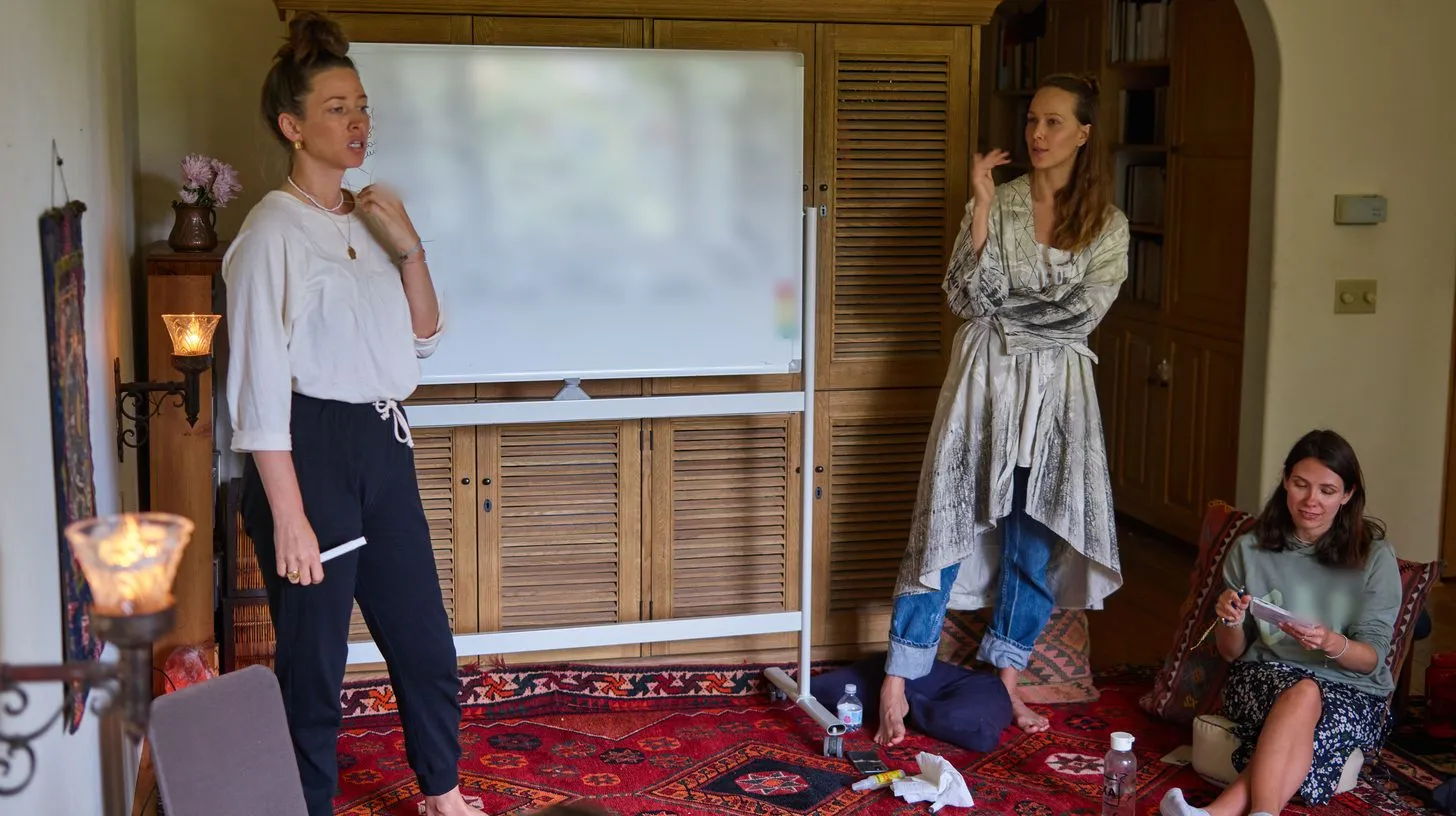
A staff retreat is the version where everyone goes: the whole team, every role, including people who rarely travel for work. It is often the company's first, and the person organizing it is often also the person holding the budget. Whether your team calls it an office retreat, an employee retreat or simply "the all-staff," the plan below works the same way. If you want the wider picture of corporate retreats planned with a local planner, start there; if you want to get straight to the work, jump to the staff retreat planning sheet.
Costs, lead times and venue rules vary by city and season, so treat the order of decisions here as the fixed part and the details as things to confirm locally. Planning a leadership offsite instead? See our leadership retreat guide.
What makes a staff retreat different
Most retreat advice assumes a small leadership group or a company with an events team. A staff retreat is different in three ways.
- Everyone goes. Seniority, roles and comfort with travel are mixed. Some people fly for work every month; others have never stayed in a hotel on a company trip.
- One budget owner. Usually a founder or an office manager holds the spend and the plan at the same time, which makes it easy for every decision to drift to one desk.
- It is often the first one. There is no template from last year, no list of what went wrong and no sense yet of which budget lines exist.
The main goal of a staff retreat is usually simple: give the whole team time together, away from daily work, to align on where the company is going and to know each other better. For the general distinction between a retreat and an offsite, see how retreats and offsites differ.
Decide the purpose, the owner and the budget ceiling first
Before you look at a single venue, settle three things in writing.
- One purpose sentence. For example: "Bring the whole team together to agree on next year's priorities and meet the people we only see on video calls." If a session does not serve that sentence, it can wait.
- Who signs off. Name the person who approves the spend and the final agenda. Usually that is the founder or chief of staff, not the person doing the logistics.
- The spend ceiling. A total you will not go over, agreed before you request quotes. Venues and local planners can shape a plan to a ceiling; they cannot guess one.
If you are the founder setting these, our guide to setting the purpose and spend ceiling for an offsite walks through the founder side in more detail.
Choose the format: day retreat, one night or two nights
Format drives almost everything else on the plan, so choose it before the venue. The table below shows what each one suits and what it adds.
| Format | What it suits | What it adds to the plan |
|---|---|---|
| Day retreat | One clear theme, a team that lives near the venue, a first retreat that needs to stay simple | Meeting space, daytime meals, local transport. No rooms and no evening program |
| One night | Teams that want the evening for connection and a full second morning together | Guest rooms, dinner and an evening program, check-in and check-out timing, a quiet option for people who want an early night |
| Two nights | Teams with longer travel, or a purpose that needs a full working day between arrival and departure | More rooms and meals, a longer evening program, more open time, and a closer look at caregiving and time away from home |
Whether to run it on weekdays or over a weekend is a separate decision with its own tradeoffs for staff time and venue availability. Our guide to a weekend retreat covers that choice.
Who owns what: the staff retreat planning sheet
Each row is one decision. The owner column shows who typically holds it at a small company, and the last column shows what stalls if that decision comes late. Timing is shown as an order of work, based on how local planners usually sequence a retreat, not as a benchmark. Copy it into your own document and replace the owners with names.
| Decision | Typical owner | When to decide | What it blocks if late |
|---|---|---|---|
| Purpose sentence | Founder or chief of staff | Before anything else | Every other decision, because nobody can judge options without it |
| Budget ceiling | Founder | Before anything else | Venue requests and quotes |
| Date options | Founder, with People Ops | Before contacting venues; share a few windows so venues can offer what is open | Venue holds, staff calendars, caregiving arrangements |
| Format (day, one night, two nights) | Founder, with the office manager or EA | Before contacting venues | Room counts, meals, transport, evening program |
| Venue shortlist | Office manager or EA, or a local planner | Once dates and format are set | Site visits, holds and the venue contract |
| Sharing policy | Founder, with People Ops | With the format, before contacting venues | Room counts in every quote, then the room block |
| Room block | Office manager or EA, or a local planner | When the venue is held | Invitations, travel booking |
| Early check on access, travel and caregiving | People Ops | Before the venue shortlist | Which venues and formats can work for everyone |
| Dietary and access survey | People Ops | Right after invitations go out | Menus, room allocation, transport choices |
| Transport | Office manager or EA, or a local planner | Once arrival points and times are known | Arrival plan and the first session start |
| Agenda draft | Founder or chief of staff | Once the venue is confirmed | Content owners, room setups, AV requests |
| Content owners for each session | Team leads | Once the agenda draft is shared | Session prep and materials |
| Evening program | Office manager or EA, or a local planner | Once the agenda is agreed | Dinner booking, transport after dark, quiet alternatives |
| Opt-outs and quiet alternatives | People Ops | Alongside the agenda | Fair participation for people who cannot do every slot |
| Staff communications | People Ops | From invitations to the final week | Attendance, packing, travel questions |
| Day-of contact | Office manager or EA, or a local planner | Final stretch before the retreat | Who people call when something goes wrong on the day |
| Follow-up and owners of next steps | Founder or chief of staff | Within the week after | Whether anything from the retreat actually happens |
The pattern to notice: the founder holds purpose, budget and content, the office manager or EA holds logistics, People Ops holds the people side, and team leads own their own sessions. A local planner can take most of the logistics rows so that the office manager is coordinating, not doing everything.
A two-day staff retreat agenda
Here is one example agenda for a two-day, one-night all-staff retreat. It mixes whole-company time, team time and open time, and every social slot has a quiet alternative. For one-day and three-day versions, use our offsite agenda template.
| When | Session | Notes |
|---|---|---|
| Day one, late morning | Arrive, drop bags, light lunch | Ask the venue to hold bags, since guest rooms may not be ready this early; stagger arrivals if people travel from different places |
| Day one, early afternoon | Welcome and the purpose sentence | The founder opens in a few minutes and says why everyone is here |
| Day one, afternoon | Whole-company session | One topic that matters to every role, with discussion in small mixed groups |
| Day one, late afternoon | Open block | Time to rest, walk or catch up on messages, with no expectation to socialize |
| Day one, evening | Dinner and an optional evening | A shared dinner, then an optional activity and a clearly offered quiet option |
| Day two, morning | Team breakouts | Each team lead runs their own session on the same theme |
| Day two, late morning | Share back | Each team reports its main point to the whole group |
| Day two, midday | Close with owners and dates | Agree on the few next steps, each with an owner and a date, then lunch and departures. Agree check-out and bag storage with the venue in advance, since check-out may come before the close |
Keep presentations short and leave room in every block. The risk with a first staff retreat agenda is that it fills with slides and nobody remembers why they went. For activity ideas, see our retreat ideas guide.
Budget lines for an office retreat
The fastest way to avoid surprises is to list every budget line before any quote arrives. Use this as a checklist of lines, not amounts, and ask each venue or local planner to price against it.
- Venue and rooms: the main meeting room, breakout rooms for team sessions, guest rooms if you stay overnight, and any minimum spend the venue asks for.
- Food and drink: every meal and break, including options for dietary needs.
- Transport: getting people to the venue and around it, including airport or station transfers.
- AV: screens, microphones and anything the sessions need.
- Activities: the evening program and any guided activity.
- Planning and coordination: the local planner's fee, or the staff time it takes if you coordinate in house.
- Contingency: a reserve for changes in headcount, weather or travel.
- Service charges and taxes: these sit on top of most venue and catering quotes, so ask for them to be shown on every line.
For per-person ranges and what drives them, see what a corporate retreat costs per person. For the fees that surprise people most, see our glossary of service charges, tips and resort fees. If Finance wants an outside reference for lodging and meals, the GSA per diem rates are the rates federal agencies use to reimburse employee travel by location. They are a public benchmark, not a retreat price.
Make the employee retreat work for everyone
A staff retreat only works if the whole staff can actually take part. Ask early, before the venue is locked, about four things:
- Travel. Who finds flying or long drives hard, and who needs to arrive late or leave early.
- Caregiving. Who needs notice to arrange childcare or eldercare, and whether one night or two suits them.
- Dietary needs. The FDA recognizes nine major food allergens: milk, eggs, fish, crustacean shellfish, tree nuts, peanuts, wheat, soybeans and sesame (FDA). List them in your dietary survey alongside a space for other needs and preferences.
- Access needs. Mobility, sensory and other needs shape the venue choice, room allocation and transport. The Americans with Disabilities Act is the federal civil rights law that prohibits discrimination against people with disabilities.
Make every social slot optional, with a quiet alternative that is offered openly. Our guide to an inclusive retreat for People Ops goes further, and the venue accessibility checklist covers what to check on a site visit.
Staff retreat for a small staff
When the whole company fits around one table, the plan gets simpler. A staff retreat for a small staff can suit a rented house or a small inn, where some venues may offer exclusive use; confirm it in writing. Check that the house has a bedroom for each person unless sharing was agreed, and confirm in writing that the rental allows a company event. Meals can be shared in one kitchen or one private dining room. There are fewer sessions, more unstructured time and fewer moving parts, but the same questions about purpose, owners and access still apply.
Planning timeline
The order of decisions matters more than the exact dates. This is how local planners usually sequence a staff retreat:
- First: purpose sentence, budget ceiling and who signs off.
- Next: date options, format and sharing policy, a quick check on access, travel and caregiving needs, then a venue shortlist and holds.
- Once the venue is confirmed: the room block, invitations, the full dietary and access survey, and transport.
- Mid-planning: the agenda draft, content owners and the evening program.
- Final stretch: final headcount, rooming list, staff communications and the day-of contact.
- The week after: follow-up, with an owner and a date for each next step.
How far ahead each step needs to happen depends on the city, the season and the venue, so ask your local planner or venue to confirm the timing for your dates. For the full checklist, see the first-time EA's company offsite checklist.
When a local planner helps
The hardest part of a first staff retreat is usually not any single decision. It is that one person ends up coordinating a venue, a caterer, a transport company and an activity provider, each with its own contract and invoice. The alternative is one local planner, one fee.
A Vantly local planner who knows the area can shortlist venues that fit the whole staff, handle rooms, food and transport, and turn your brief into one priced proposal. You stay in charge of the purpose and the content; the local planner takes the logistics rows on the planning sheet. Browse local planners to see who works in your area, or see sample events as examples a local planner tailors to your team.
Frequently asked questions
How do you plan a staff retreat?
Start with the purpose and the budget owner, then pick the format and dates, shortlist venues that fit the whole staff, and build the agenda last. Give every decision a named owner so the work is shared rather than landing on one person. The planning sheet lists each decision and who typically holds it.
How long are staff retreats?
Match the length to the goal. A single day suits one clear theme and a team that lives nearby. One night suits teams that want the evening together for connection. Two nights suit teams with longer travel or a purpose that needs a full working day. Consider caregiving and travel needs before choosing the longer formats.
Who should organize a staff retreat?
Split the work. The founder or chief of staff owns the purpose and content, the office manager or EA owns logistics, People Ops owns the dietary, access and communications side, and team leads own their sessions. A local planner can take venue, rooms, food and transport. The planning sheet shows the full split.
What should be on a staff retreat agenda?
Include one whole-company session, team breakouts, an open block, an optional evening with a quiet alternative, and a short close where next steps get an owner and a date. Keep presentations brief. The two-day agenda above is one example, and the offsite agenda template covers other lengths.
How do you plan a staff retreat for a small staff?
For a staff retreat for a small staff, look at a rented house or small inn, share meals in one kitchen or private dining room, and plan fewer sessions with more unstructured time. The decisions are the same as for a larger team: purpose, owner, budget ceiling, format and access needs.
How do you make a staff retreat inclusive?
Ask about travel, caregiving, dietary and access needs early, before the venue is locked. Keep every social slot optional with a quiet alternative, and choose a venue you have checked for access. Our guide to an inclusive retreat for People Ops covers the details.
Related guides
- Corporate retreats planned by a local planner
- Offsite agenda template
- What a corporate retreat costs per person
- Inclusive retreat planning for People Ops
- First-time EA's company offsite checklist
- Venue accessibility checklist
Sources
- U.S. General Services Administration, Per diem rates
- U.S. Food and Drug Administration, Food allergies
- ADA.gov, Introduction to the Americans with Disabilities Act