
Quiet Rooms, Prayer Spaces and Sensory Breaks: Designing the Offsite So People Can Stay All Day
At 2 p.m., someone slips out of the session and sits in their car in the parking lot, not because they are bored, but because there is nowhere quiet to go. Then they leave the dinner early, for the same reason. The fix is not a smaller program; it is giving people a way out of the room so they can stay in it. Book one real quiet room and, where your group needs it, a separate prayer or reflection space. Put white space in the agenda. Tame the light and sound in the main room. Make activities genuinely optional. Then say all of it in the invitation, so nobody has to ask. This guide shows how, whether the offsite is on a Midtown event floor or at a Hudson Valley house. A reader who wrote to Ask a Manager about a company retreat summed up why this matters: "accessibility extends far beyond just booking accessible hotel rooms." Recovery space is part of that. It helps neurodivergent attendees, people managing pain or fatigue, people who pray during the day, new parents, and anyone who has just run a hard session and needs a few quiet minutes before the next one.
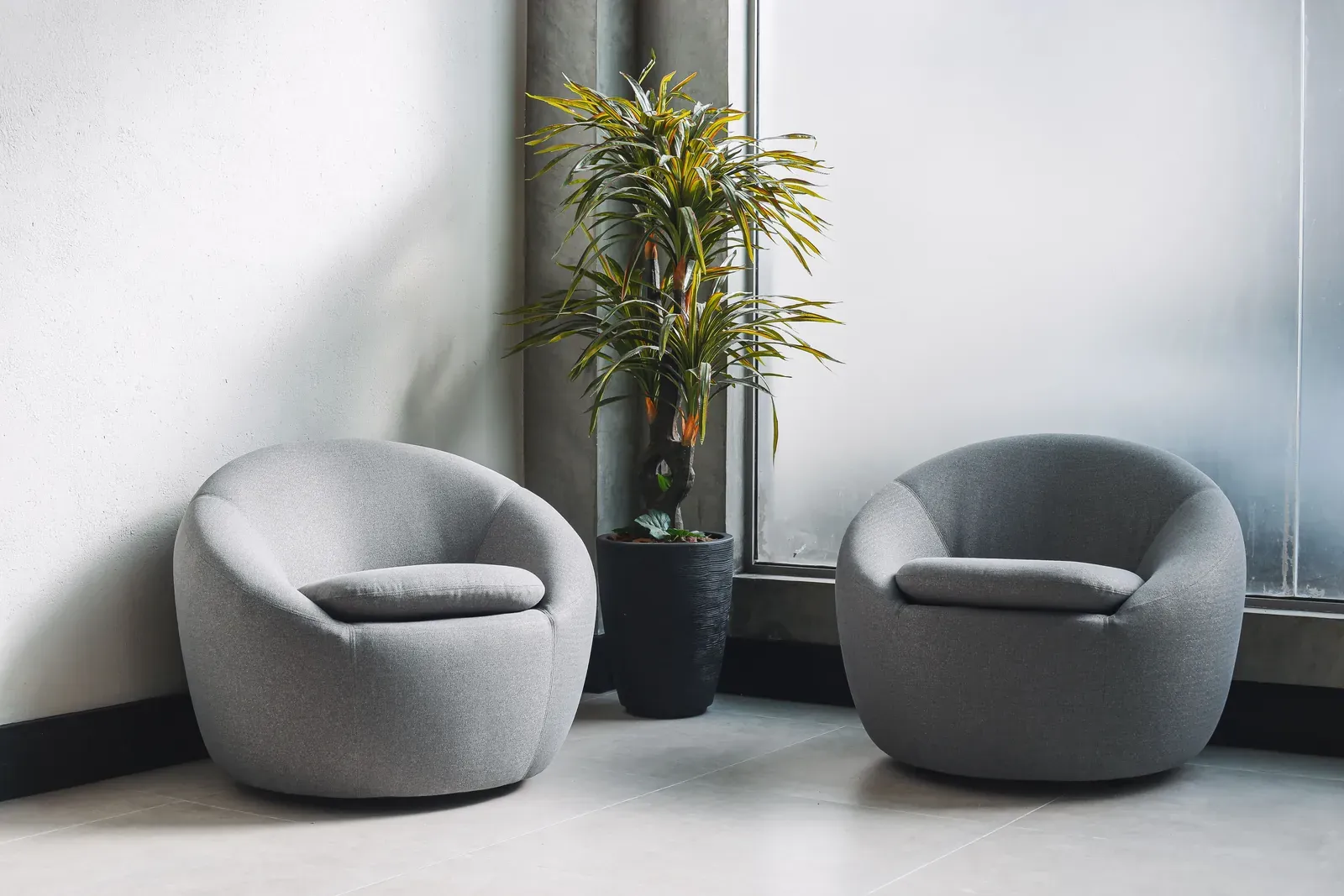
At 2 p.m., someone slips out of the session and sits in their car in the parking lot, not because they are bored, but because there is nowhere quiet to go. Then they leave the dinner early, for the same reason. The fix is not a smaller program; it is giving people a way out of the room so they can stay in it. Book one real quiet room and, where your group needs it, a separate prayer or reflection space. Put white space in the agenda. Tame the light and sound in the main room. Make activities genuinely optional. Then say all of it in the invitation, so nobody has to ask. This guide shows how, whether the offsite is on a Midtown event floor or at a Hudson Valley house.
A reader who wrote to Ask a Manager about a company retreat summed up why this matters: "accessibility extends far beyond just booking accessible hotel rooms." Recovery space is part of that. It helps neurodivergent attendees, people managing pain or fatigue, people who pray during the day, new parents, and anyone who has just run a hard session and needs a few quiet minutes before the next one.
The short answer: five design moves
Each move is simple on its own. Together they let people manage their own energy, which is what keeps them in the room all day.
| Design move | What it looks like | What to arrange |
|---|---|---|
| Quiet room | A separate, closable room away from the main session space, open all day, with soft light and no program | Which room, on which dates, and a clear sign on the door |
| Prayer or reflection space | A private, clean room with a door, kept separate from the quiet room where you can | Ask attendees privately what they need, then book the room and plan the schedule around it |
| White space in the agenda | Breaks long enough to reset, buffers after intense sessions, and meals that are not working sessions | Build it into the agenda from the first draft, not as leftover time |
| Light and sound | No all-day background music, microphones so nobody strains, and room to move or step out | Ask the venue about dimmable lighting, sound control and seating layout |
| Optional means optional | A calm alternative at every activity slot, with no penalty or spotlight for choosing it | Publish activity details early and name the alternative in the invitation |
The rest of this guide takes each move in turn, then gives you the invitation wording and a short checklist for the venue.
The quiet room
A quiet room is a separate, closable room where anyone can go to reset during the event, with no program and no questions asked. It is not the lobby, a corridor, the coffee station, a storage closet, an unused bathroom, a staff office or a corner of the main room with a few chairs pushed together.
What makes it real
The National Autistic Society's guide to accessible environments describes a quiet space "within your business or service that is away from the main crowds, with reduced noise and lighting," and says it "should also be clearly signposted." PCMA's Convene described a convention center that placed its sensory room deliberately: "The room is in a secluded area of the building to give those experiencing sensory overload space for peace and quiet." Neither sets a size or a sound level, and you do not need one. What matters is how the room feels to the person who walks in.
A quiet room that works has six features:
- Away from the main space. Far enough from the session room, the bar and the kitchen that conversation and clatter do not carry.
- A door that closes. People need to know they will not be watched or interrupted.
- Soft, adjustable light. Dimmable lamps or daylight with blinds, rather than bright overhead lighting, and nothing that flickers or flashes.
- No amplified sound. No speakers, no piped music and no screen playing in the background.
- Seating options. A couple of comfortable chairs, a place to sit upright, and room to stand or pace. You can add a few simple items such as earplugs or a blanket.
- A clear, neutral sign. "Quiet room — open all day" says enough. It tells everyone the room exists and that using it is normal.
New York City's Mayor's Office for People with Disabilities, in its Planning an Accessible Event guide (May 2025), lists "Potential spaces to set aside as quiet areas" among the things to consider when choosing activity spaces, and recommends that the welcome at the start of an event tell people where the quiet areas are. Do both: name the room in the opening remarks and on the printed agenda.
Count it when you size the venue
Every venue has separate numbers for sleeping, meeting and dining, and our guide to venue capacity for sleeping, meeting and dining explains how to read them. The quiet room is an extra room on top of the main meeting room, any breakout rooms and the dining room. A house whose only large room is the meeting room has no quiet room, however beautiful the house is.
Two NYC-area examples show the choice:
- A Midtown event floor may give you a ballroom, a pre-function area and an elevator lobby. The only "quiet" space may be that elevator lobby, which is neither quiet nor private. Ask whether a small meeting room or a suite on the same floor can be held as the quiet room for every day of the event.
- A Hudson Valley house may have a spare study, a library or a small sitting room off the main hall. That room can be the quiet room, as long as it is not also the breakout room, the coat room, a storage closet or the place the caterer sets up.
If you are booking a room block at a hotel or inn rather than the whole property, the lobby and shared lounges stay open to other guests. They are not quiet rooms. Ask the venue what private space is actually yours for the dates; our guide to true house buyouts vs soft room blocks explains what a block does and does not include.
Before you commit, check that the room exists, is free for your dates and can be reached without steps from the main session room. Our companion venue accessibility checklist covers how to confirm it.
The room of last resort
One person per private bedroom gives everyone a retreat of last resort: a door they can close at the end of the day, or in the middle of it. That is one more reason not to plan an offsite around shared beds or shared rooms. Our guide to private rooms vs shared beds covers the counting.
Prayer and reflection space
If anyone in your group prays during the working day, a private, clean room with a door is a simple and respectful thing to provide. Keep it separate from the quiet room where you can, so someone praying and someone recovering from a loud session are not sharing a space or waiting on each other.
Ask, don't assume
Do not guess what people need from their faith. Ask privately, through the same channel you use for dietary needs and access requests, and let each person decide what to share. Useful things to learn:
- Whether a separate room is wanted, and at roughly what points in the day.
- Whether access to a sink or washing facilities nearby matters.
- Whether a direction to face, a clean floor covering or simply a chair and some privacy is needed.
- Whether any sessions, meals or activities clash with observance, such as a Friday prayer, a Sabbath or a fast.
Then build the answers into the plan: book the room, put the prayer or reflection times on the printed agenda next to the other breaks, and move a session if one clashes. Some attendees will want nothing at all, and that is fine too.
What the EEOC says employers can do
Offsites are work events, so it makes sense to handle requests the same way your company handles religious accommodation at the office. The U.S. Equal Employment Opportunity Commission's fact sheet on religious accommodations in the workplace (October 2024) lists common examples, including "Scheduling around religious observances and providing flexible work and break schedules to accommodate religious obligations such as daily prayers or Sabbath observance," and "permitting the use of workstations or employer facilities for individual or voluntary group prayer or meditation."
On its religious discrimination page, the EEOC explains that since the Supreme Court's decision in Groff v. DeJoy (2023), "undue hardship is shown when a burden is substantial in the overall context of an employer’s business." For New York City employees, the NYC Commission on Human Rights' summary of The Law adds: "Employers must make reasonable accommodations for the religious needs of employees and job applicants, including the observance of the Sabbath and other holy days."
None of this means every offsite needs a named prayer room by law. It means that when someone asks, a room for prayer and a schedule that leaves time for it are the kind of adjustment the guidance describes, and they are easier to plan when you know early. This guide is not legal advice; take any accommodation question to your HR team or counsel, who own that conversation.
Quiet room or prayer space: how they differ
| Feature | Quiet room | Prayer or reflection space |
|---|---|---|
| Who uses it | Anyone who needs a reset | People who pray or reflect during the day |
| When | Open all day, drop-in | At the times attendees tell you, plus drop-in if they wish |
| Set-up | Soft light, comfortable seating, no program | Clean, private, uncluttered; ask what else helps |
| Sign | "Quiet room — open all day" | A neutral name such as "Reflection room," agreed with the people using it |
| Shared with the other? | Keep separate where you can | Keep separate where you can |
White space in the agenda
White space is agenda time with nothing scheduled in it. It is not wasted time. It is when people recover, follow up on a conversation from the session, call home, pray, take medication or simply sit down somewhere quiet.
A poster on r/Leadership planning an all-staff retreat for a team that usually works remotely opened with a familiar request: "Looking for ideas for activities/sessions at an in-person all-staff retreat." Activities and sessions fill an agenda quickly. White space has to be designed in on purpose, or it disappears.
Design choices that help:
- Breaks long enough to actually reset. Long enough to walk to the quiet room, sit for a while and come back without rushing, not just enough to refill a coffee.
- A buffer after anything intense. A strategy debate, a feedback session or a loud team activity deserves a pause before the next demanding block.
- Meals that are meals. A working lunch every day removes the one natural break in the program. Keep at least some meals free of slides and agenda items. Dietary needs travel with the same care: a recovery-friendly day still needs the kitchen handoff. Our guide to dietary and allergy workflow for company offsites covers that workflow.
- Free time before dinner. A gap between the last session and the evening plan lets people rest, change, or skip the drinks and still come to dinner. At dinner and receptions, ask for a real alcohol-free option beyond soda and water, so choosing not to drink is ordinary.
- Nothing scheduled back-to-back across rooms. If people have to cross a property between sessions, give them the time to do it calmly.
The Job Accommodation Network (JAN), a resource on workplace accommodations, lists a modified break schedule among sample accommodations on its autism spectrum page, and also cautions: "Be aware that not all people on the autism spectrum will need accommodations to perform their jobs." Treat white space the same way: build it in for everyone, and let each person use it as they choose.
Light, sound and the main room
The main room sets the sensory tone for the day. A few small choices make it easier for everyone to stay.
JAN's page on noise sensitivity puts the principle simply: "Accommodation ideas usually involve reducing noise and providing a quiet workspace." Its autism page lists ideas such as alternative lighting, noise-canceling headsets and sound absorption panels. At an offsite, that translates into questions for the venue and habits for the facilitators:
- No all-day background music. Use music for arrivals or breaks if you like, and turn it off for sessions and conversation.
- Microphones for every speaker, including audience questions, so nobody has to strain to hear or to be heard.
- Adjustable lighting. Ask whether the room's lights can be dimmed or zoned, whether daylight can be controlled with blinds, and avoid flashing or strobing effects in presentations and evening events.
- Space in the layout. Leave room between tables, seats near the door for anyone who may need to step out, and a clear route to the quiet room.
- Permission to move. Say at the start that standing, stretching or stepping out is fine. It costs nothing and changes how the room feels.
- Simple supplies. A basket of earplugs, and a few pairs of noise-canceling headphones if you can borrow or bring them, placed where anyone can take them without asking.
For evenings, pick at least one venue or part of a venue where people can talk without shouting. A loud bar can still be the after-party; it should not be the only option. Make the evening social optional in the same spirit as daytime activities: a quieter alternative, no spotlight for sitting it out, and an alcohol-free drink that is as easy to order as anything else.
Optional means optional
An optional activity is only optional if choosing the alternative carries no cost. That means no visible penalty, no spotlight, no "come on, it'll be fun," and no hint that skipping it will be noticed.
The Ask a Manager letter writer described a retreat where leadership shared few details in advance, and where, as details emerged, it became clear they could not physically take part in most of the team-building activities. That is the pattern to design out: physical or high-exposure activities by default, and details released too late to plan around.
Four rules keep optional honest:
- Pair every activity slot with a calm alternative, including evening socials and team activities, such as a walk on a level path, a tasting, a workshop or free time, and give both equal billing in the agenda.
- Publish details early, including how physical, loud, social or late each activity is, so people can choose before they arrive.
- Let people choose privately, through a form, not a show of hands in the room.
- Never make an activity the only way to hear important news or meet leadership. If something matters, say it in a session everyone attends.
Our guide to planning an inclusive company retreat covers the wider case for inclusion; this guide stays on recovery and space.
Invite language
The invitation is where recovery becomes normal. If the quiet room, the prayer space, the breaks and the optional activities are written into it, nobody has to ask, and nobody has to explain why they are using them.
Copy and adapt:
"We have set aside a quiet room, open all day, for anyone who wants a break from the group, and a separate reflection room for prayer or quiet time. The agenda includes breaks and free time, and every activity — including evening socials — has a relaxed alternative, so choose whatever suits you. Alcohol-free drinks will be available. If there is anything else that would help you take part, tell [name] privately at [email] by [date]; you do not need to say why."
Venue checklist (copy into your email)
Send these to the venue's events contact once you have a shortlist, and keep the answers in writing.
- Quiet room: Is there a separate room with a door, away from the main session room, that we can use as a quiet room for every day of the event?
- Prayer or reflection room: Is there a second private room we could use for prayer, and is there a sink or washroom nearby?
- Route: Can both rooms be reached from the main session room without steps?
- Private use: Will both rooms be ours alone for the dates, or shared with other guests or events?
- Lighting: Can the lighting be dimmed in the quiet room and in the main session room? Are there blinds?
- Sound: Can background music be turned off in our spaces? Are there microphones for speakers and audience questions?
- Layout: Can the main room be set with space between tables and seats near the door?
- Signs: Can we put simple signs on the doors of both rooms?
- Evening venue: For dinner and evening events, is there a quieter area where people can talk without raising their voices, and a real alcohol-free drink option beyond soda and water?
Where a local event designer helps
You can design all of this yourself. The hard part is finding it: knowing which Hudson Valley houses have a spare study that is not also the breakout room, which Midtown event floors can hold a small room for the whole event, and which restaurants have a back room quiet enough to talk in.
That is local knowledge, and it is what Vantly is built around. Every event is tailor-made: a local event designer who knows the destination can help find venues with a spare closable room, plan the agenda rhythm and the calm alternatives with you, and brief the venue on how the quiet room and prayer space should be set up. Our intent is one vendor, one PO for the event, rather than a separate contract and deposit for every vendor.
See sample events to get a feel for how designers put an offsite together. Each is an example a designer tailors to your group, not a fixed package.
Frequently asked questions
What is a quiet room at a work event?
A quiet room is a separate, closable room where anyone can step away from the group to reset, with no program and no questions asked. It sits away from the main session space, has soft or dimmable light and no amplified sound, and is clearly signed. A lobby or corridor is not a quiet room.
How do you make a company offsite neurodiversity-friendly?
Build recovery in for everyone: a quiet room open all day, white space in the agenda, calmer light and sound in the main room, and a relaxed alternative at every activity. Publish details early so people can plan, and offer a private way to ask for anything else, without requiring anyone to explain why.
How do you offer a prayer room at a corporate event?
Ask attendees privately what they need, including times, washing access and any scheduling clashes. Then book a private, clean room with a door, separate from the quiet room where possible, and plan sessions around observance. The EEOC lists scheduling around prayer and use of employer facilities for prayer as examples of accommodation.
How much free time should be on a retreat agenda?
There is no fixed rule, so design it rather than calculate it. Leave breaks long enough to reach the quiet room and come back calmly, add a buffer after intense sessions, keep some meals free of work, and leave time before dinner. If the agenda has no unscheduled time, it needs some.
How do you reduce sensory overload at an offsite?
Turn off background music during sessions, give every speaker a microphone, ask the venue for dimmable lighting and blinds, and avoid flashing effects. Leave space in the room layout, tell people that stepping out is fine, offer earplugs, and make a quiet room available all day, with a clear route to it.
How do you word optional activities in a retreat invite?
Name the activity and its calm alternative side by side, describe how physical, loud or late each one is, and say that people can choose whichever suits them. Add a private contact for anything else, and make clear that nobody needs to give a reason for their choice.
Want an offsite people can stay at all day?
Tell us your dates, your group and what the event needs to do. A local event designer who knows the destination aims to come back with a tailored plan, which can include venues with a real quiet room and an agenda that leaves room to breathe. Get a custom quote.
Related guides
- Planning an inclusive company retreat
- Venue capacity for sleeping, meeting and dining
- True house buyout vs soft room block
- Private rooms vs shared beds
- Leadership retreat agenda architecture for chiefs of staff
- Venue accessibility checklist
- Dietary and allergy workflow for company offsites
- Team retreats with Vantly
- Retreat planning for chiefs of staff
- All Vantly guides
Sources
- Ask a Manager, I'm too disabled for my company's retreat (May 12, 2026): a reader's letter about a retreat built around physical activities, with details shared late.
- r/Leadership, All-staff retreat activities - ideas to support connection and individual accountability with lasting learnings?: a planner asking for retreat activity and session ideas.
- National Autistic Society, Accessible environments: how to set up a quiet space away from crowds, with reduced noise and lighting and clear signs.
- PCMA Convene, Making Meeting and Event Spaces Sensory Inclusive: a convention center's sensory room placed in a secluded part of the building.
- NYC Mayor's Office for People with Disabilities, Planning an Accessible Event (May 2025): the City's event guide, including setting aside quiet areas and telling attendees where they are.
- U.S. Equal Employment Opportunity Commission, Fact Sheet: Religious Accommodations in the Workplace (October 2024): common religious accommodations, including scheduling around prayer and use of facilities for prayer or meditation.
- U.S. Equal Employment Opportunity Commission, Religious Discrimination: the current undue-hardship standard after Groff v. DeJoy (2023).
- NYC Commission on Human Rights, The Law: NYC employers' duty to accommodate employees' religious needs.
- Job Accommodation Network (JAN), Autism Spectrum: sample accommodations such as modified break schedules and alternative lighting.
- Job Accommodation Network (JAN), Noise Sensitivity: accommodation ideas centered on reducing noise and providing a quiet workspace.