
Company holiday party ideas your team will actually want to go to
Every October someone asks the office manager the same thing: can we do something different this year? The best company holiday party ideas fit three things about your team: how many people are coming, how much of the evening should revolve around drinking, and who might quietly be left out by a late finish, a loud room or a physical activity. Within those limits there is plenty of choice. A seated dinner, an activity night, a daytime party, a family afternoon and a give-back morning all work well for the right team. The ideas below are grouped by the kind of team and evening they suit. Each one comes with why it works, what to watch for, and the question to ask the venue before you book. We use "holiday" and "end-of-year" throughout, because the best parties welcome everyone, whatever they celebrate.

The short list (ideas at a glance)
| Idea | Best for | The vibe | Ask the venue |
|---|---|---|---|
| Seated dinner, private room | Small to mid-size teams | Conversation-first | Who is cooking, set or family-style menu? |
| Reception with food stations | Larger groups that like to mingle | Lively, flexible | Standing capacity, and is the food enough for dinner? |
| Chef's table or tasting menu | Small teams, leadership groups | Special, intimate | Can the whole group be served at once? |
| Games night | Mixed drinkers and non-drinkers | Playful, social | Capacity for the games, not just the room |
| Dueling pianos or live music | Groups that want a show | Crowd-pleasing, low pressure | Sound levels, and a quieter area nearby |
| Silent disco | Teams that like to dance | High energy, optional | Headphone count and sound check |
| Cooking or cocktail class | Small teams | Hands-on | Class size, dietary swaps, a no-alcohol version |
| Long lunch or afternoon party | Teams with parents and long commutes | Relaxed, on the clock | Daytime minimums and finish time |
| Family afternoon | Teams that invite kids and partners | Warm, casual | Kid-safe space and food for all ages |
| Volunteer morning and lunch | Purpose-driven teams | Meaningful | Nonprofit's group size limit |
| Light-touch theme | Teams that like a little fun | Festive | Decor rules and setup time |
| Shipped kits and virtual host | Remote and hybrid teams | Shared at a distance | Shipping cut-off and a tested stream |
Classic, done well: dinners and receptions
A dinner or reception is the default for a reason: it gives people time to talk. The difference between a forgettable one and a good one is usually the room and the food plan.
Seated dinner in a private dining room. Why it works: everyone sits down, the conversation is easy, and the evening has a natural shape. Watch-out: long tables split the group, so plan a seat change at dessert or a short toast that brings everyone together. Ask the venue: who is cooking, and is the menu set, family-style or ordered from the card?
Cocktail reception with food stations. Why it works: people move around and meet colleagues they rarely see. Watch-out: guests will expect dinner, so make sure the food is substantial and that there are enough seats for people who need them. Ask the venue: what is the standing capacity, and how much food counts as a full meal?
Chef's table or tasting-menu evening. Why it works: for a small team or a leadership group, it feels like an occasion without needing a theme. Watch-out: long tasting menus can run late. Ask the venue: can the kitchen serve the whole group at once, and how does it handle dietary swaps across many courses?
If you want the venue to yourselves, ask directly and get the answer in the contract.
Activity nights (something to do besides drink)
An activity gives the evening a focus, which helps people who don't drink or don't enjoy small talk. One EA who has run many holiday parties wrote: "My most popular parties were always duelling pianos. They seemed to strike a good balance between crowd-pleasing and not requiring people to do stuff they might not be comfortable with."
Games-forward venue. Bowling, shuffleboard, mini-golf or an arcade-style room. Why it works: easy to join and easy to sit out. Watch-out: the activity space often holds fewer people than the bar area. Ask the venue: how many people can play at once?
Karaoke room or live music. Why it works: it gives the night a soundtrack and some shared jokes. Watch-out: nobody should feel pushed onto the microphone. Ask the venue: can you book a quieter area alongside the music?
Silent disco. Why it works: people who want to dance can, and people who want to talk can take the headphones off. Watch-out: test it with your team first. One planner who floated the idea to the colleagues who usually help with the party "immediately got a universal 'no'". Ask the vendor: how many headsets, and when is the sound check?
Trivia or quiz night with a host. Why it works: mixed teams across departments, low pressure, easy to run in a private room. Watch-out: keep questions about the company light and inclusive. Ask the venue: is there a microphone and a screen?
Cooking or cocktail-making class. Why it works: hands-on, small groups, and you eat what you make. Watch-out: offer a non-alcoholic version of any cocktail class and confirm dietary swaps ahead. Ask the venue: who leads the class, and is the meal the class food or a separate dinner?
Tasting evening. Wine, whiskey, chocolate or cheese. Why it works: it feels special and suits smaller groups. Watch-out: give non-drinkers a real track, not just water. Ask the vendor: what is the alcohol-free option?
Keep every activity optional and low-pressure, and give people a calm place to step away. Our guide to quiet rooms and sensory breaks shows how to set one up, and our guide to holiday party alcohol safety covers the bar plan for any evening with drinks.
Daytime and work-hours parties
A daytime party is the easiest way to include parents, caregivers and people with long commutes. Ask a Manager's Alison Green suggests it directly: "Consider holding the party during business hours." Parents in one thread were clear about why. As one put it: "Also what's wrong with having a party 12-5 during the workday so I don't have to use personal time or get childcare?"
Long lunch. Why it works: everyone is already at work, and the afternoon can wind down naturally. Watch-out: keep client calls off the calendar so people can relax. Ask the venue: is there a daytime minimum, and how long can you hold the room?
Afternoon party with an early finish. Why it works: it feels like a treat without taking anyone's evening. Watch-out: make the early finish real and tell managers in advance. Ask the venue: when does the room have to be clear?
Breakfast or brunch celebration. Why it works: unusual, low-alcohol and easy on budgets. Watch-out: start late enough that commuters can arrive on time. Ask the venue: can the kitchen serve a seated brunch to the whole group at once?
Family-friendly and plus-one ideas
Inviting families changes the whole event, so decide that first. Our guide on how to plan a company holiday party as the office manager walks through the plus-one decision.
Weekend afternoon with a kids' corner. Why it works: parents don't have to choose between the party and their children. Watch-out: some colleagues don't want to give up a weekend, so keep it optional or offer a second, adults-only moment. Ask the venue: is there a safe space for children, and food they will eat?
Holiday market-style stations. Hot chocolate, cookie decorating, a photo booth and a craft table. Why it works: people drift between stations at their own pace. Watch-out: label every station's food for allergens. Ask the venue: how many stations fit, and can you bring in outside vendors?
Give-back and meaningful formats
For some teams, the best end-of-year moment is doing something useful together.
Volunteering morning followed by lunch. Why it works: shared purpose and a relaxed meal afterwards. Watch-out: keep the volunteering genuinely optional and suitable for different abilities. Ask the nonprofit: how many volunteers can it host at once?
Donation drive tied to the party. Why it works: easy to add to any format. Watch-out: never make giving visible or competitive. Ask the venue: is there space for collection boxes?
Year in review with short awards. Why it works: it gives people credit for the year in front of their colleagues. Watch-out: keep speeches short and awards broad, so more people are recognized. Ask the venue: is there a microphone, and when can you test it?
Themed parties (light touch)
A theme can lift a familiar format. Theme the room and the menu, and keep costumes optional.
- Ugly sweater party. Easy to join, and a sweater is optional.
- Casino night. Play money only, and plenty to do for people who don't want to play.
- Decade theme. Music, food and decor do the work; nobody needs to dress up.
- Winter lodge. Warm food, low light, board games and a fire if the venue has one.
- A non-holiday celebration. One team in a planning thread chose something with no religious link at all: "We celebrated Repeal Day, the celebration of the ratification of the 21st amendment which ended Prohibition." If you go this route, pair it with a strong alcohol-free menu.
Remote, hybrid and multi-office ideas
Remote colleagues should get a real equivalent, not a livestream of someone else's party.
Shipped kits with a hosted session. Why it works: everyone opens the same box at the same time, for a tasting, a game or a class. Watch-out: international shipping and dietary needs take time, so set the cut-off early. Ask the vendor: when is the last order date, and is there a backup if a kit arrives late?
A short party during the workday. One fully remote team of 18 described its plan as "a Zoom meeting during the workday with optional gift exchange via drawnames, a "year in review" highlighting team member achievements, and everyone's favorite coffee order doordashed/ubereats'd to their house." Why it works: short, on the clock and personal.
Simultaneous local dinners. Each office or city hub holds its own dinner on the same night, with a short shared toast on video. Watch-out: give each location a fair budget and a local organiser.
Ideas by city and setting
Wherever your team is, the same few patterns work well. The local details change from city to city, and that's where someone who knows the area helps.
- A seasonal outing, then dinner. An outdoor skating rink, a holiday-lights walk or a winter market, followed by a seated dinner nearby. In warmer cities, swap the rink for an evening on a rooftop or patio.
- A loft or warehouse with an outside caterer. A blank space you can shape with a caterer and a DJ. Check whether the space allows outside caterers and what it charges for setup.
- A downtown private dining room on a weeknight. Simple to reach from the office, and a weeknight can widen your choice of dates.
- A daytime gathering out of town. A winery, farm or lodge within a drive of the city, for teams that want a change of scene. You will need a group transport plan and a firm departure time.
Our directory of local event planners lists the cities where designers who know the area can help.
How to pick the right idea for your team
Five questions narrow the list quickly:
- How many people are coming? Small teams suit a chef's table or class; large groups suit a reception or games venue.
- What role should alcohol play? If it shouldn't be the centre, choose an activity, a daytime party or a give-back format.
- Who has caregiving duties or long commutes? If many do, look at work-hours options.
- How many people are remote or in other offices? Plan their version at the same time as the main party.
- What does the budget comfortably cover? Pick the idea that fits it well rather than a bigger one done thinly.
For the budget method and timeline, see our guide on how to plan a company holiday party (linked above). Once you've picked, work through our holiday party checklist.
Idea gallery
The images below are illustrations of each format, not Vantly events and not specific venues.
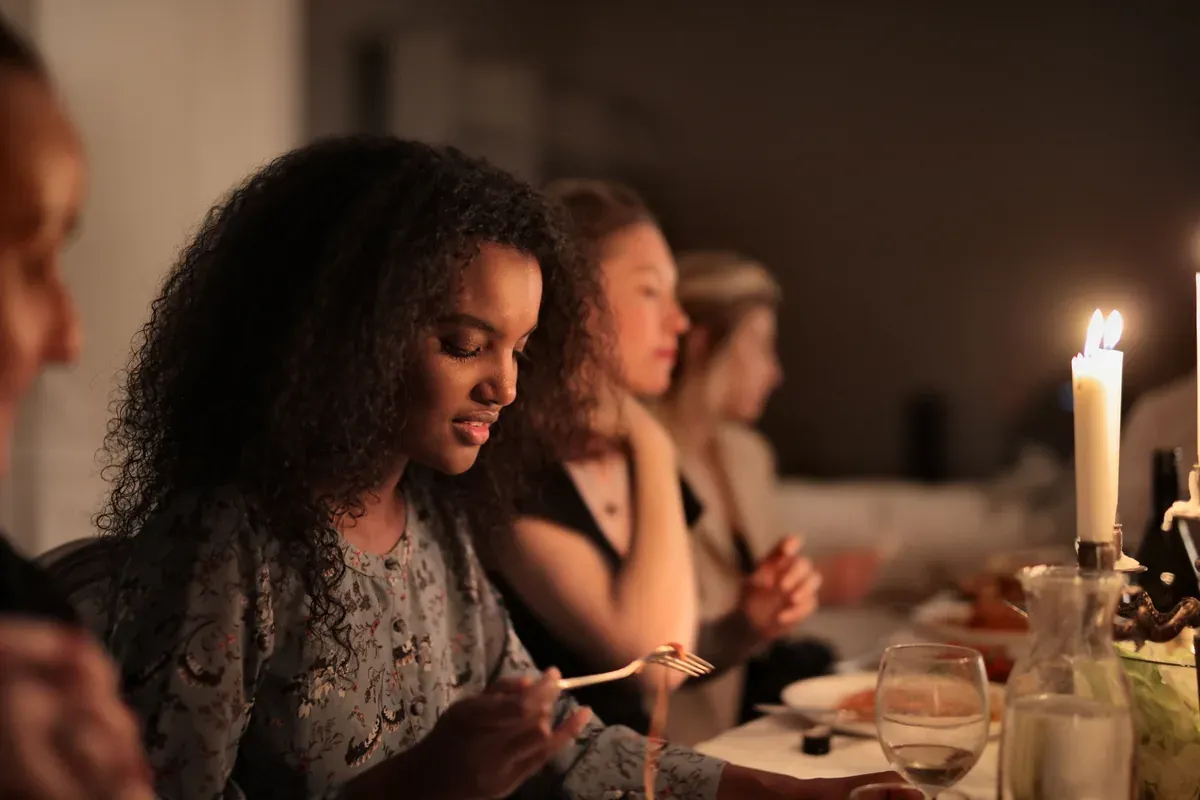
Seated dinner. A long table, candles and shared plates; a format that puts conversation first.
Activity night. Colleagues lined up at a bowling lane, waiting for their turn.

Daytime party. A bright lunch room with a relaxed, early-finish feel.

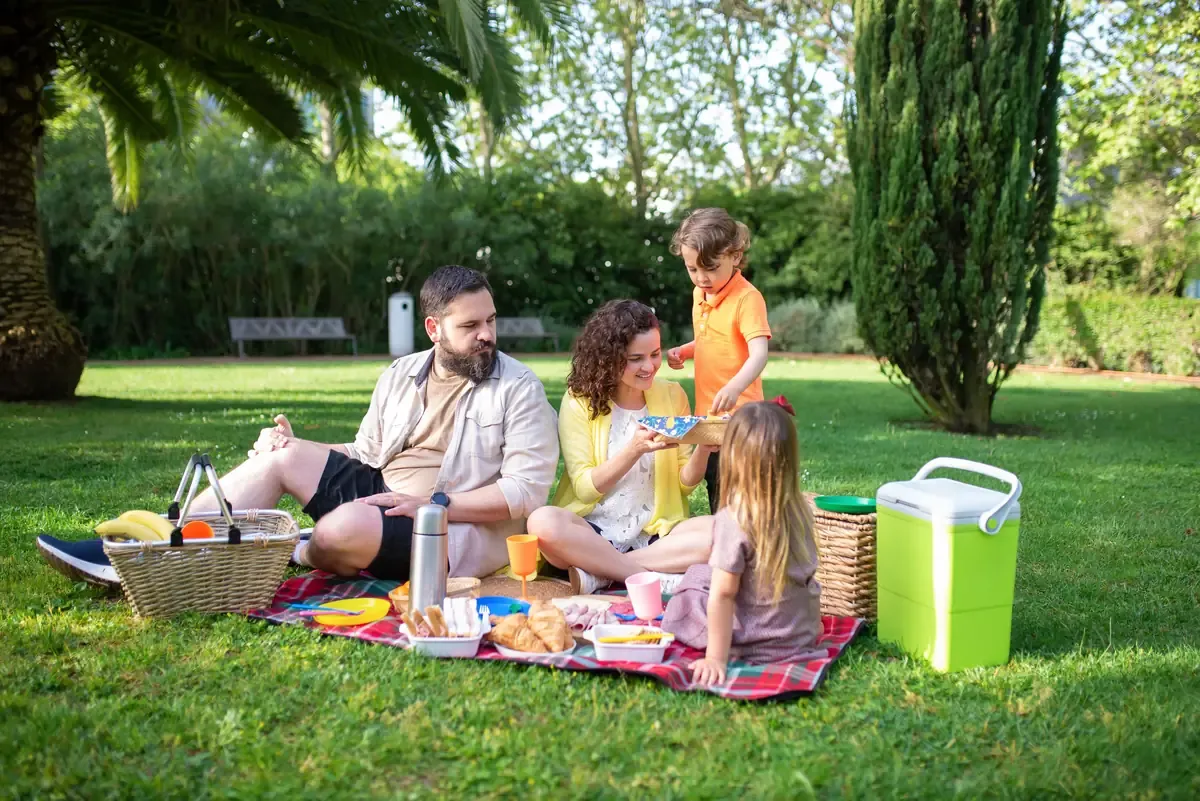
Family afternoon. Children passing food at a picnic on the lawn while adults chat nearby.
Give-back morning. A team packing donation boxes together before lunch.

Remote kit. A party kit unboxed on a home desk next to a laptop.

Want it tailored? Work with a local designer
An idea is the start. Turning it into an evening that fits your team, your city and your budget is where a local Vantly event designer can help, from choosing the room to shaping the run-of-show. Our intent is one vendor, one PO for the event, rather than a separate contract and deposit for every vendor. Our guide on how to brief a local event designer shows what to share first, and planning a company party with Vantly explains how it works. You can also see sample events as examples of what a designer tailors.
Plan your holiday party with a local designer
Tell us your team, your city and the idea you like best. A local event designer who knows the city can turn it into an evening made for your team. Get a custom quote.
Frequently asked questions
What are good company holiday party ideas?
Strong options include a seated dinner in a private room, a reception with food stations, a games or activity night, a cooking class, a long lunch during work hours, a family afternoon and a volunteering morning. The right one fits your headcount, how much drinking you want, and who might otherwise be left out.
What can you do at a work holiday party besides drinking?
Give the evening an activity: games, live music, trivia, a cooking class or a tasting with a real alcohol-free track. Daytime parties, family afternoons and give-back mornings take drinking out of the centre altogether. Whatever you choose, keep it optional and offer a quieter space nearby.
What are fun holiday party ideas for a small office?
Small teams can do things larger groups can't: a chef's table, a cooking or cocktail class, a tasting evening or a private room for trivia. These formats feel special, keep everyone in one conversation and are easier to book than a large venue in December.
What's a good holiday party idea for remote or hybrid teams?
Ship everyone the same kit and run a hosted tasting, game or class, or hold a short party during the workday with a year-in-review and a delivered treat. For several offices, hold local dinners on the same night with a short shared toast.
Should a company holiday party be during work hours?
Often, yes. A lunch or afternoon party makes it easier for parents, caregivers and long-distance commuters to attend, and it signals that the party is part of the job rather than extra time. If you choose an evening, keep it optional and finish at a reasonable hour.
How do you make a holiday party inclusive?
Call it a holiday or end-of-year party, choose a time that works for caregivers, make the food work for every dietary need, and offer a good alcohol-free option. Keep activities optional, provide a quiet space, and give remote colleagues a real equivalent.
How do you make the holiday party feel different from last year?
Change one big thing, such as the time of day, the format or the neighborhood, rather than adding more of the same. Ask the people who usually help plan the party before you commit, because an idea that sounds fresh can still fall flat with your team.
Related guides
- Event planning for executive assistants
- Venue accessibility checklist
- Dietary and allergy workflow for company events
- All Vantly guides
- Should the holiday party include plus-ones?
Sources
- r/ExecutiveAssistants, "Who plans and executes your company-wide holiday party?" (December 2023)
- r/ExecutiveAssistants, "Holiday party silent disco, New York City, NY" (July 2026)
- Alison Green, Ask a Manager, "How companies can throw holiday parties people actually want to attend" (December 18, 2017)
- r/workingmoms, "Office holiday parties" (December 2023)
- r/ExecutiveAssistants, "Office holiday party" (October 2024)
- r/humanresources, "Holiday party plans: what's your company up to?" (November 2023)